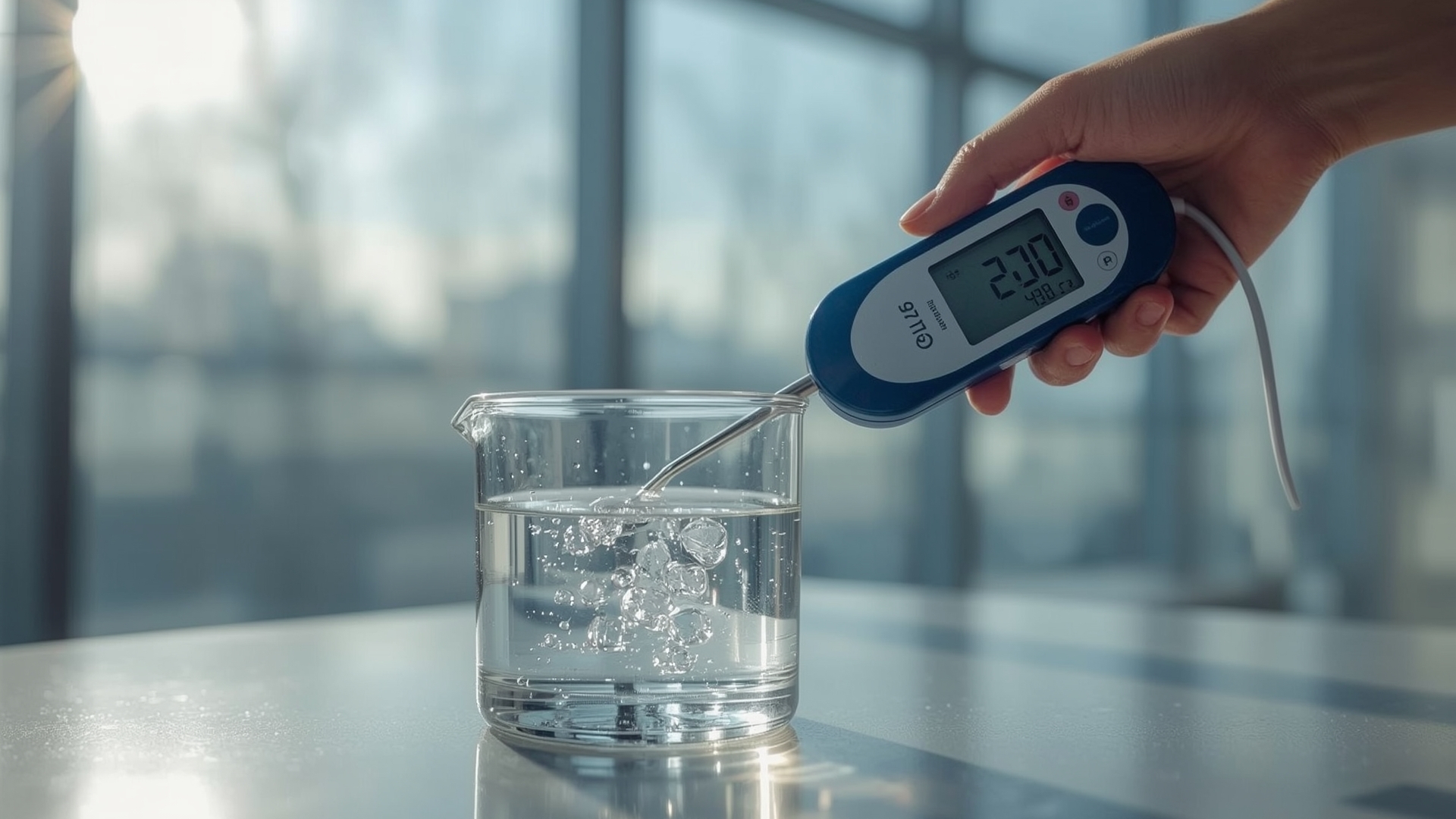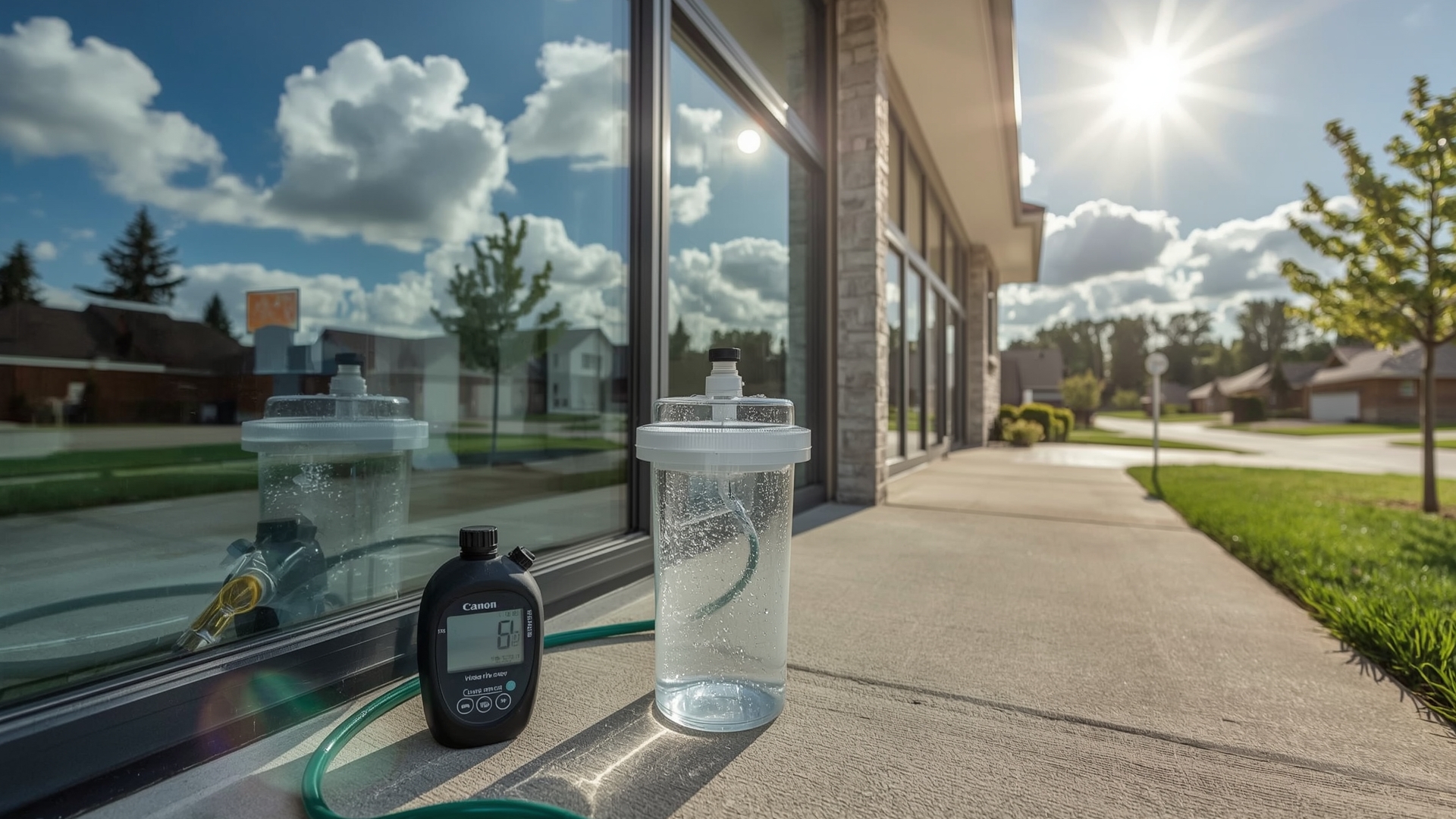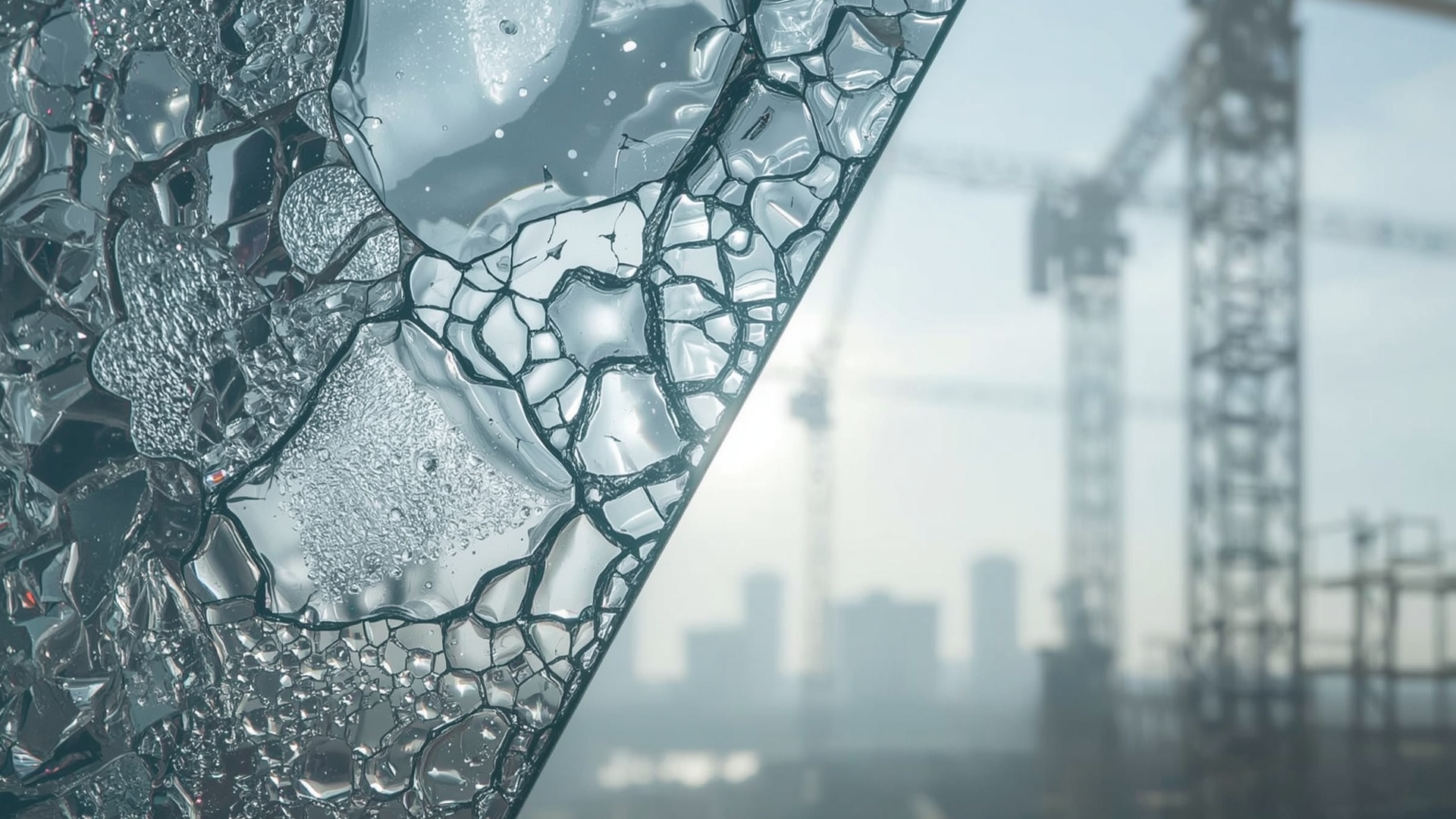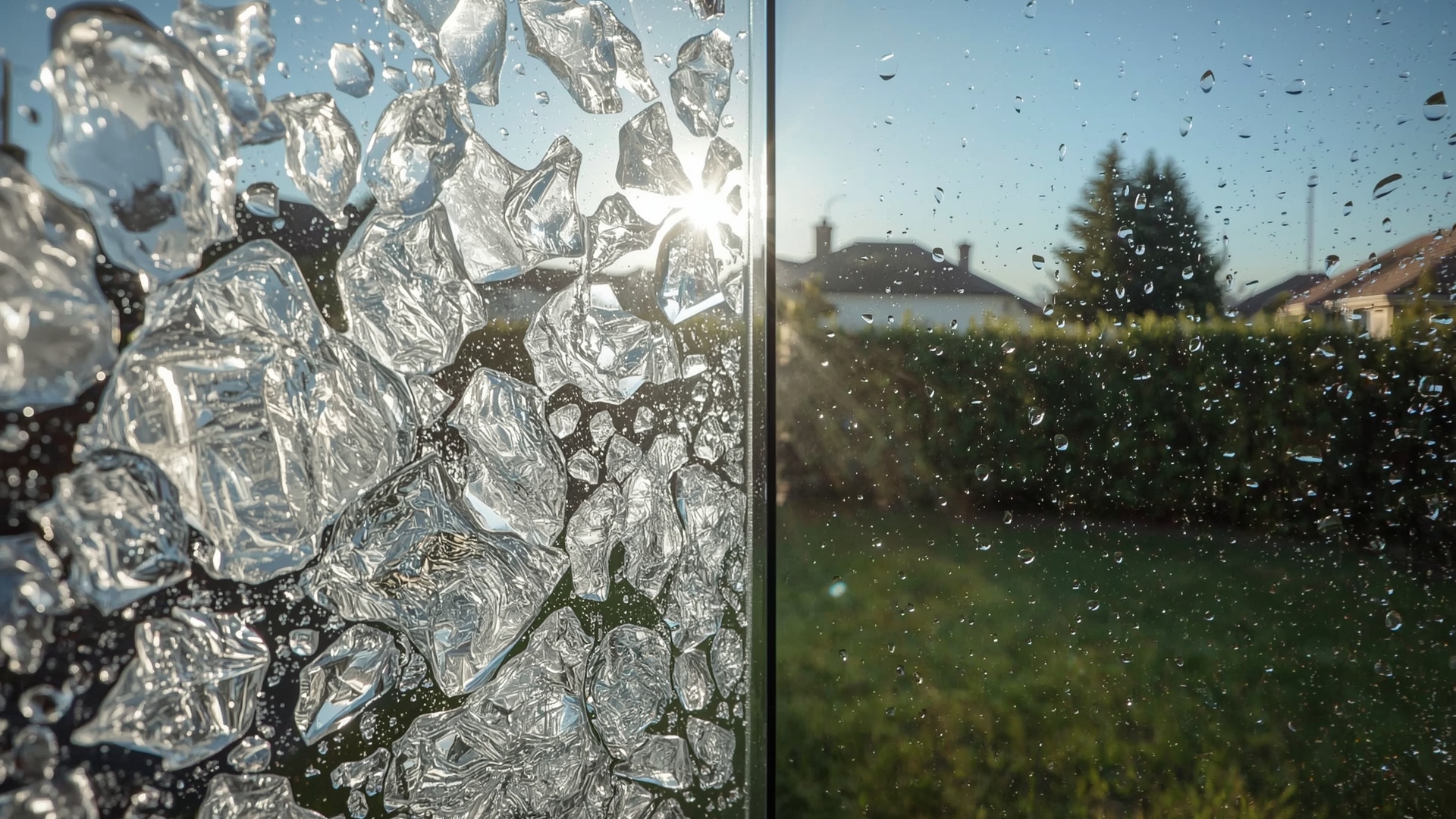
Hard water spots on windows look like frosted, hazy patches that no amount of regular glass cleaner will touch. They form when mineral-rich water dries on glass and leaves calcium and magnesium deposits behind. The longer they sit, the harder they are to remove.
The good news: most hard water spots can be removed at home with the right acids, abrasives, and technique. The key is matching your removal method to how severe the buildup actually is.
Key Takeaways
- Hard water spots are mineral deposits, mainly calcium and magnesium, left behind when water evaporates on glass.
- Severity determines your method. Light spots respond to white vinegar. Heavy etching may require oxalic acid or a professional.
- Acids dissolve minerals. Alkaline cleaners like dish soap do not work on hard water deposits.
- Scrubbing too hard causes scratches. Always use non-scratch pads or fine steel wool (0000 grade) on glass.
- Prevention beats removal. Purified or deionized water, squeegees, and water repellent coatings stop deposits from forming in the first place.
- Etched glass is a different problem. If the glass surface itself is damaged, cleaning alone will not restore clarity.
What Causes Hard Water Spots on Windows?
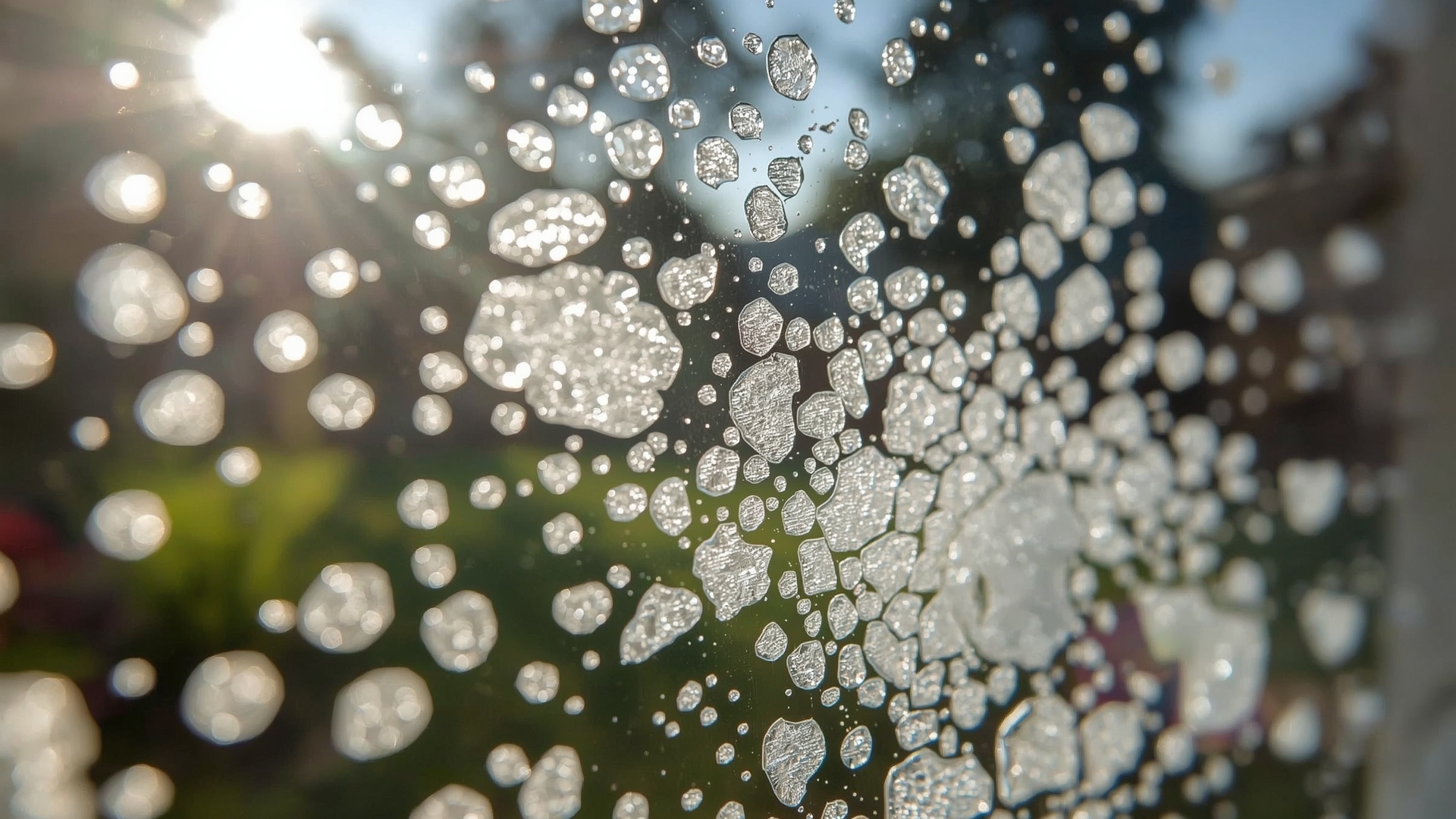
Quick Answer: Hard water spots form when water containing dissolved calcium and magnesium dries on glass. The water evaporates, but the minerals stay behind, bonding to the surface and building up with every new water contact.
Tap water, sprinkler water, and even rainwater carry dissolved minerals. When that water lands on your window and dries, the minerals are left behind as a white or gray residue. This residue is called limescale, or more specifically, calcium carbonate deposits.
Common sources of hard water on windows include:
- Lawn and garden sprinkler systems that hit the glass regularly
- Runoff from concrete, stucco, or mortar during rain
- Tap water used during window cleaning without a rinse aid
- Pool and spa splash on nearby windows
- Condensation from HVAC systems draining down the glass
Each drying cycle adds another thin layer of minerals. Over months and years, those layers stack up, and the deposits get harder to remove. In high-mineral areas (water hardness above 150 mg/L), spots can become visible after just a few weeks.
How Hard Is Your Water? Understanding Mineral Concentration
Water hardness is measured in milligrams per liter (mg/L) or grains per gallon (GPG). The harder your local water supply, the faster deposits build on glass surfaces.
| Hardness Category | mg/L (ppm) | Grains Per Gallon | Window Impact |
|---|---|---|---|
| Soft | 0–60 | 0–3.5 | Minimal deposit risk |
| Moderately Hard | 61–120 | 3.5–7 | Light spotting after 3–6 months |
| Hard | 121–180 | 7–10.5 | Visible deposits within weeks |
| Very Hard | 181+ | 10.5+ | Heavy buildup, risk of glass etching |
What Are the Stages of Hard Water Deposit Severity?
Quick Answer: Hard water deposits progress through three stages: light surface spotting, moderate bonded scale, and heavy etching. Stage one responds to vinegar. Stage two needs stronger acids. Stage three may require professional polishing because the glass surface itself has been damaged.
Knowing your severity stage before you start saves you from wasting time or accidentally damaging your glass.
Stage 1: Light Surface Deposits
These are fresh or thin mineral films. The glass still feels mostly smooth. You can often see a slight haze, but the spots don’t feel rough when you run your finger across them. White vinegar or lemon juice will usually dissolve these completely.
Stage 2: Moderate Bonded Scale
These deposits have dried and re-wet multiple times. They feel slightly rough to the touch and resist a single cleaning. The mineral layer has partially bonded into the glass surface pores. You need a stronger acid like oxalic acid or a dedicated mineral deposit remover.
Stage 3: Heavy Etching
The minerals have chemically altered the glass surface. The haze doesn’t go away even after the minerals are removed because the glass itself is now pitted or roughened. Cleaning can improve the appearance, but full restoration requires professional cerium oxide polishing or glass resurfacing.
| Severity Stage | Visual Signs | Touch Test | Best Removal Method | Estimated Effort |
|---|---|---|---|---|
| Stage 1 (Light) | Faint haze, thin white film | Smooth glass surface | White vinegar or lemon juice | 15–30 minutes |
| Stage 2 (Moderate) | Cloudy patches, rough texture | Slightly gritty or rough | Oxalic acid, CLR, or Bar Keepers Friend | 30–60 minutes |
| Stage 3 (Heavy) | Permanent haze, deep cloudiness | Noticeably pitted or rough | Professional cerium oxide polish | Professional service required |
What Household Products Remove Hard Water Spots from Windows?
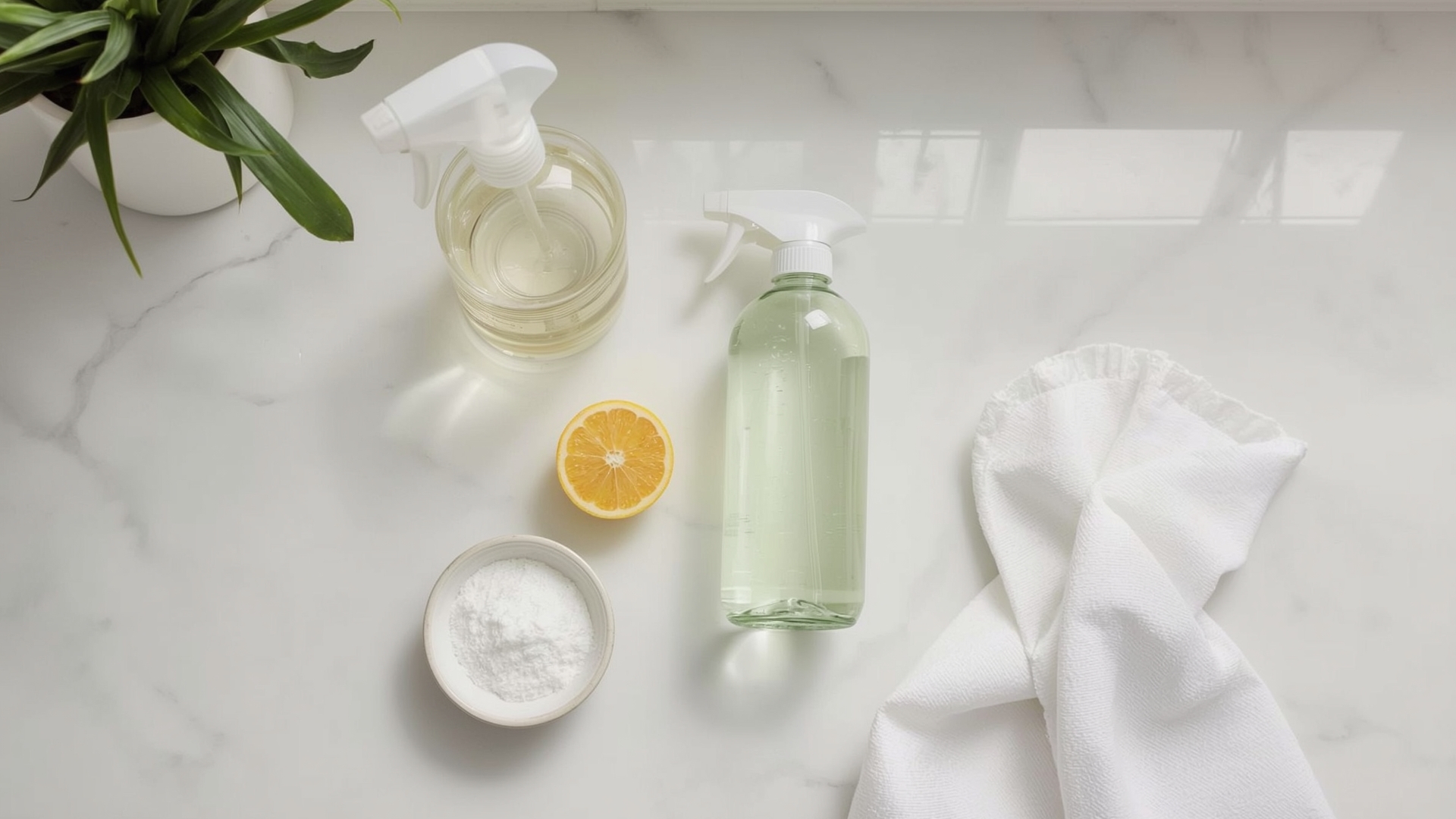
Quick Answer: White vinegar, lemon juice, and Bar Keepers Friend are the most effective household options. They work because they contain acids that dissolve calcium carbonate. Regular glass cleaner and dish soap are alkaline, so they cannot break down mineral deposits.
White Vinegar Method
White vinegar contains 5% acetic acid. That’s enough to dissolve light to moderate calcium deposits without scratching the glass.
- Mix equal parts white vinegar and distilled water in a spray bottle.
- Spray the solution directly onto the spotted glass.
- Let it sit for 2 to 5 minutes. For heavier spots, up to 10 minutes.
- Scrub gently with a non-scratch scrubbing pad or microfiber cloth.
- Rinse with distilled water and dry with a clean squeegee or lint-free cloth.
Undiluted vinegar works faster on stubborn spots. Just rinse it off quickly to avoid streaking.
Lemon Juice Method
Fresh lemon juice contains citric acid, which works similarly to vinegar. Apply it directly to spots, let it sit for 5 minutes, then scrub and rinse. It’s less effective than vinegar on thick buildup but works well for light deposits and smells better.
Bar Keepers Friend
Bar Keepers Friend is a powdered cleaner containing oxalic acid. It’s more aggressive than vinegar and works on moderate to heavy deposits. Make it into a paste with water, apply to the glass, let it sit for 1 to 2 minutes, then scrub and rinse thoroughly. Do not leave it on longer than 2 minutes, as extended contact can damage some window coatings.
Baking Soda Paste
Baking soda is mildly abrasive but not acidic. On its own, it won’t dissolve minerals. However, mixing it with vinegar creates a fizzing reaction that can help loosen deposits before you scrub. Use it as a follow-up scrub after applying vinegar, not as a standalone treatment.
What Commercial Products Work Best for Hard Water Spots on Glass?
Quick Answer: CLR (Calcium, Lime, and Rust Remover), RainX Hard Water Spot Remover, and Sprayway Glass Cleaner with Mineral Deposit Remover are among the most effective commercial options. They use stronger acid formulas than household products and work on moderate to heavy buildup.
| Product | Active Ingredient | Best For | Safe on Coated Glass? | Approx. Cost |
|---|---|---|---|---|
| CLR Pro | Lactic acid, gluconic acid | Stage 2–3 deposits | No — avoid tinted or coated glass | $8–$15 per bottle |
| RainX Hard Water Spot Remover | Phosphoric acid blend | Stage 1–2 deposits | Check label per coating type | $10–$18 per bottle |
| Bar Keepers Friend Spray | Oxalic acid | Stage 2 deposits | Yes, with short contact time | $5–$9 per bottle |
| Bring It On Cleaner | Hydrofluoric acid-free mineral acid | Stage 2–3 deposits | Not recommended on Low-E glass | $20–$35 per bottle |
| Bio-Clean Hard Water Remover | Mild acid blend | Stage 1–2 deposits | Generally safe | $18–$28 per bottle |
Important: Always test any commercial product on a small, hidden area of glass first. Some window coatings, especially Low-E coatings and tinting films, can be permanently damaged by strong acids.
How Do You Safely Scrub Hard Water Spots Without Scratching the Glass?
Quick Answer: Use 0000-grade (ultra-fine) steel wool or a non-scratch white scrubbing pad on wet glass. Never scrub dry glass. Always keep the surface wet with your cleaning solution throughout the process to lubricate the glass and prevent scratching.
Safe Scrubbing Tools for Glass
- 0000-grade steel wool: The finest grade, safe on glass when used wet. Do not use coarser grades (00, 0, or 1).
- White non-scratch scrubbing pads: The softest scrubbing pad color. Green or blue pads are too abrasive for glass.
- Microfiber cloths: Great for light deposits and for final buffing after treatment.
- Plastic razor scrapers: Safe for removing thick mineral crusts without scratching, unlike metal razor blades.
What NOT to Use on Window Glass
- Metal razor blades (can leave fine scratches that trap dirt)
- Green or blue scrubbing pads (too abrasive)
- Paper towels (can leave micro-scratches over time)
- Dry scrubbing of any kind on any surface
When Should You Call a Professional Window Cleaner?
Quick Answer: Call a professional when deposits remain after two DIY attempts, when the glass feels deeply pitted, when windows have Low-E or specialty coatings, or when windows are above the first floor and require ladder or lift equipment for safe access.
What Professionals Use That You Can’t Buy at the Hardware Store
Professional window cleaners have access to cerium oxide polishing compounds and rotary glass polishing tools. Cerium oxide is a rare-earth compound used to restore optical clarity to glass. It removes light etching by gently resurfacing the top layer of the glass.
The process looks like this:
- The technician applies cerium oxide paste to the glass.
- A variable-speed rotary polisher with a felt or foam pad works the compound into the glass surface.
- The compound removes a micro-thin layer of glass, leveling out etching and pitting.
- The glass is cleaned and rinsed to reveal restored clarity.
This process costs between $150 and $400 per window, depending on window size and deposit severity. It’s most cost-effective when compared to full window replacement, which runs $300 to $800 or more per window.
What to Expect from a Professional Hard Water Treatment
| Service Type | Method | Typical Cost | Best For | Result |
|---|---|---|---|---|
| Chemical Strip and Clean | Commercial acid treatment | $50–$150 per visit | Stage 1–2 deposits | Deposits removed, glass clear |
| Cerium Oxide Polishing | Rotary glass polishing | $150–$400 per window | Stage 3 etching | Etching reduced or removed |
| Full Resurfacing | Multi-stage diamond pad system | $300–$600 per window | Deep scratches and etching | Near-original optical clarity |
| Window Replacement | Full pane replacement | $300–$800+ per window | Irreparable glass damage | New glass, no restoration needed |
Does Vinegar Damage Window Glass or Frames?
Quick Answer: Vinegar is safe on standard window glass when rinsed off promptly. It can damage aluminum window frames, stone sills, and some window tinting films. Always rinse thoroughly within 10 minutes and avoid letting vinegar sit on metal hardware or frame materials.
The acetic acid in vinegar is mild enough that brief contact with glass causes no harm. Problems arise when you let it sit too long or let it run down onto surrounding materials.
Surfaces to protect when using vinegar on windows:
- Aluminum frames: Prolonged acid contact can oxidize or pit aluminum. Cover frames with tape or a damp cloth while cleaning.
- Natural stone sills: Marble, limestone, and travertine react badly to acid. Cover or protect these before applying any acid cleaner.
- Window tinting films: Many films have adhesive layers that acids can degrade. Test in an inconspicuous area first.
- Low-E glass coatings: The metallic oxide coating on Low-E glass can be damaged by strong acids. Use very mild solutions and short contact times.
How Do You Prevent Hard Water Spots from Coming Back?
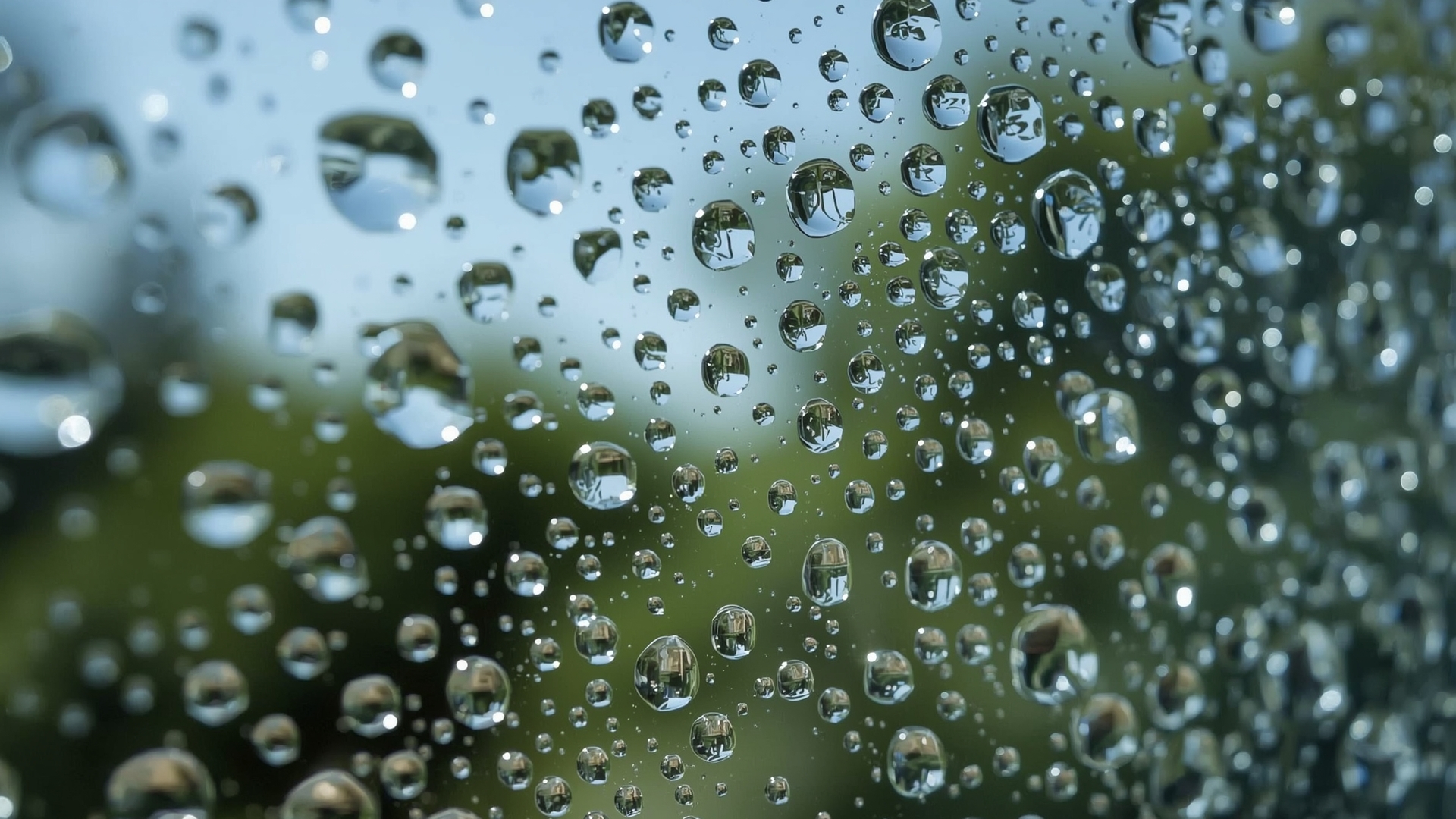
Quick Answer: The most effective prevention is using purified or deionized water for window cleaning, adjusting sprinkler systems away from glass, applying a hydrophobic coating like RainX, and squeegeeing windows dry after rain or cleaning instead of letting them air dry.
Purified and Deionized Water Systems
Purified water (also called deionized or DI water) has had virtually all dissolved minerals removed. Its total dissolved solids (TDS) reading is near zero, typically 0 to 10 ppm. When you clean windows with purified water, there are no minerals left to deposit on the glass when it dries.
Professional window cleaners use deionized water systems with water-fed poles to rinse windows without leaving any residue. For homeowners, smaller options include:
- Point-of-use DI filters: Attach to a garden hose or faucet. Cost: $50 to $200. Replace resin cartridges when TDS rises above 10 ppm.
- Reverse osmosis (RO) systems: Installed under a sink. Produce purified water for cleaning. Cost: $150 to $500 installed.
- Distilled water from jugs: Available at most grocery stores. Practical for small windows or occasional cleaning only.
Hydrophobic Coatings for Glass
A hydrophobic coating (water-repelling coating) causes water to bead up and roll off the glass instead of sitting and drying. Less water sitting on the glass means fewer minerals deposited.
Popular options include RainX Original Glass Treatment, Gtechniq G1 ClearVision Smart Glass, and Aquapel Glass Treatment. Apply these every 3 to 6 months for best results. They work best on smooth, clean glass, so remove any existing deposits before applying.
Sprinkler and Drainage Adjustments
If a sprinkler system regularly hits your windows, that’s the single biggest source of buildup in most cases. Redirect sprinkler heads at least 2 to 3 feet away from window glass. Also check that gutters and HVAC condensate lines drain away from windows, not across them.
The Squeegee Habit
After rain or after cleaning your windows, take 60 seconds to squeegee the glass dry. A good window squeegee removes most of the water before it can evaporate and leave minerals behind. This simple habit dramatically extends the time between deep cleanings.
What Is the Difference Between Hard Water Spots and Glass Etching?
Quick Answer: Hard water spots are mineral deposits sitting on top of glass. Etching is physical damage to the glass surface itself. You can remove spots with acid cleaners. Etching requires polishing or resurfacing because the glass structure has been altered, not just coated.
This distinction matters because many homeowners spend hours trying to clean etched glass with vinegar and wonder why it isn’t working. The minerals may already be gone. What remains is the damaged glass underneath.
To tell the difference, clean a small section of the cloudy area with a strong acid. If the cloudiness clears up completely, it was a mineral deposit. If the glass still looks hazy after the minerals are removed, the glass is etched. At that point, you need polishing, not more cleaning.
Step-by-Step: Full Hard Water Spot Removal Process
Quick Answer: Start by identifying your severity stage, then apply the matching acid treatment, scrub with a safe pad, rinse with distilled water, and dry with a squeegee. Finish with a water-repellent coating to prevent recurrence. The whole process takes 30 to 90 minutes per window.
What You’ll Need
- White vinegar or oxalic acid cleaner (matched to severity stage)
- Spray bottle
- 0000-grade steel wool or white non-scratch scrubbing pad
- Distilled water for rinsing
- Rubber squeegee
- Microfiber cloths
- Rubber gloves and eye protection
- Hydrophobic coating (optional, for prevention)
The Full Removal Process
- Assess the glass. Run your fingers over the spots. Smooth = Stage 1. Gritty = Stage 2. Pitted and cloudy after cleaning = Stage 3.
- Choose your cleaner. White vinegar for Stage 1. Oxalic acid product for Stage 2. Professional service for Stage 3.
- Wet the entire window surface with your cleaning solution. Don’t let any section dry during the process.
- Scrub in circular motions with your 0000 steel wool or white scrubbing pad. Apply light, consistent pressure. Never press hard.
- Let the acid dwell on stubborn spots for 3 to 10 minutes, then scrub again.
- Rinse thoroughly with distilled water, working from the top of the window down.
- Squeegee dry immediately after rinsing. Work in horizontal strokes from top to bottom.
- Inspect under light. Look at the glass from an angle in direct sunlight or with a flashlight to check for remaining spots.
- Repeat if needed for stubborn areas. Multiple treatments are more effective than one aggressive session.
- Apply hydrophobic coating once the glass is fully clean and dry to protect against future deposits.
Frequently Asked Questions
Can hard water permanently damage window glass?
Yes. Over time, mineral deposits can chemically etch the glass surface, causing permanent cloudiness that cleaning alone cannot fix. The etching process happens faster on glass exposed to repeated wetting and drying cycles, such as windows near sprinkler systems.
Does WD-40 remove hard water spots from windows?
WD-40 can soften light mineral deposits and make them easier to wipe away. It is not an acid, so it doesn’t dissolve calcium carbonate the way vinegar or oxalic acid does. It works better as a temporary measure or on very light buildup than as a primary treatment.
Is it safe to use a razor blade on window glass?
A sharp, clean metal razor blade can be used carefully on tempered glass to scrape thick mineral crusts. However, it carries a real risk of scratching, especially on textured glass or glass with coatings. A plastic razor scraper is a safer alternative for most homeowners.
How long does it take for hard water spots to form?
In hard water areas (above 150 mg/L), visible spots can form in as little as 2 to 4 weeks if a sprinkler hits the glass regularly. In moderately hard water conditions, noticeable buildup typically takes 3 to 6 months without cleaning.
What TDS level is safe for window cleaning without leaving spots?
Water with a TDS reading below 10 ppm (parts per million) will dry without leaving visible mineral deposits on glass. Professional window cleaners use water purification systems to achieve TDS readings between 0 and 5 ppm before using water on windows.
Can I use a pressure washer to remove hard water spots?
Pressure washing alone won’t remove mineral deposits because water pressure doesn’t dissolve calcium carbonate. You still need an acid treatment first. After chemically loosening the deposits, a low-pressure rinse (under 1,500 PSI) can help flush them away without risking glass or frame damage.