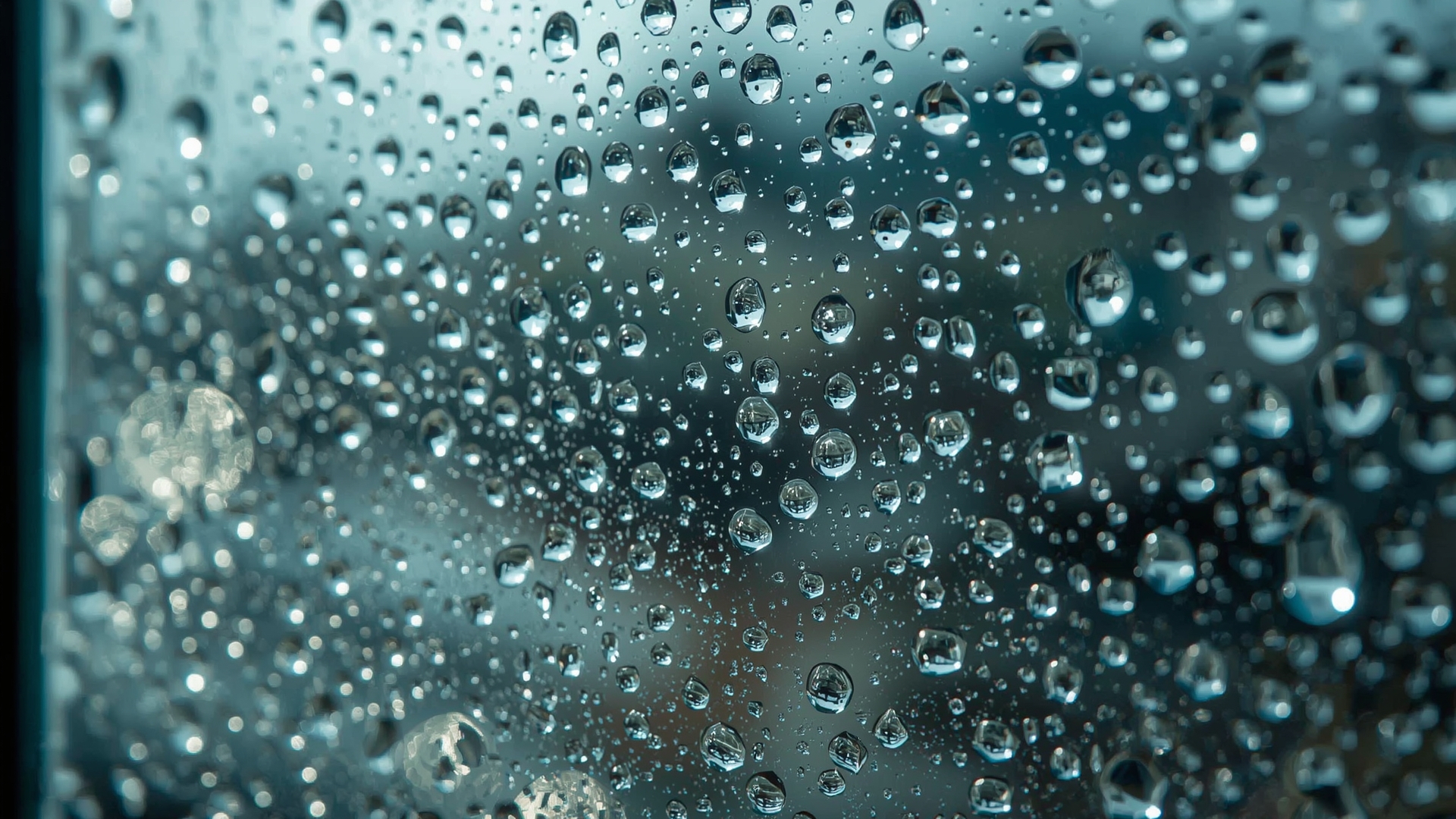
Hydrophobic glass coatings make water bead up and roll off your windows instead of spreading across the surface. That simple effect reduces streaking, improves visibility in rain, and slows down mineral buildup. But not all products work the same way, and applying them wrong can leave smears that are harder to remove than the problem you started with.
This guide covers how these coatings actually work, which products perform best in real conditions, and exactly how to apply them so they last as long as possible.
Key Takeaways
- Hydrophobic coatings work by lowering the surface energy of glass, causing water to bead and roll off rather than spread.
- RainX is the most accessible option for DIY use, but it lasts only 1 to 3 months on vertical glass surfaces like car windows.
- Gtechniq G1 and Aquapel are the top mid-tier choices for home and auto glass, offering 6 to 12 months of protection per application.
- Surface prep is the most important step — coating over contamination or water spots kills durability and adhesion.
- Low-E glass and tinted glass require caution — some solvent-based coatings can damage soft metallic coatings on Low-E panes.
- Curing time matters — most coatings need 2 to 12 hours to bond fully before the glass gets wet.
What Does Hydrophobic Mean for Window Glass?
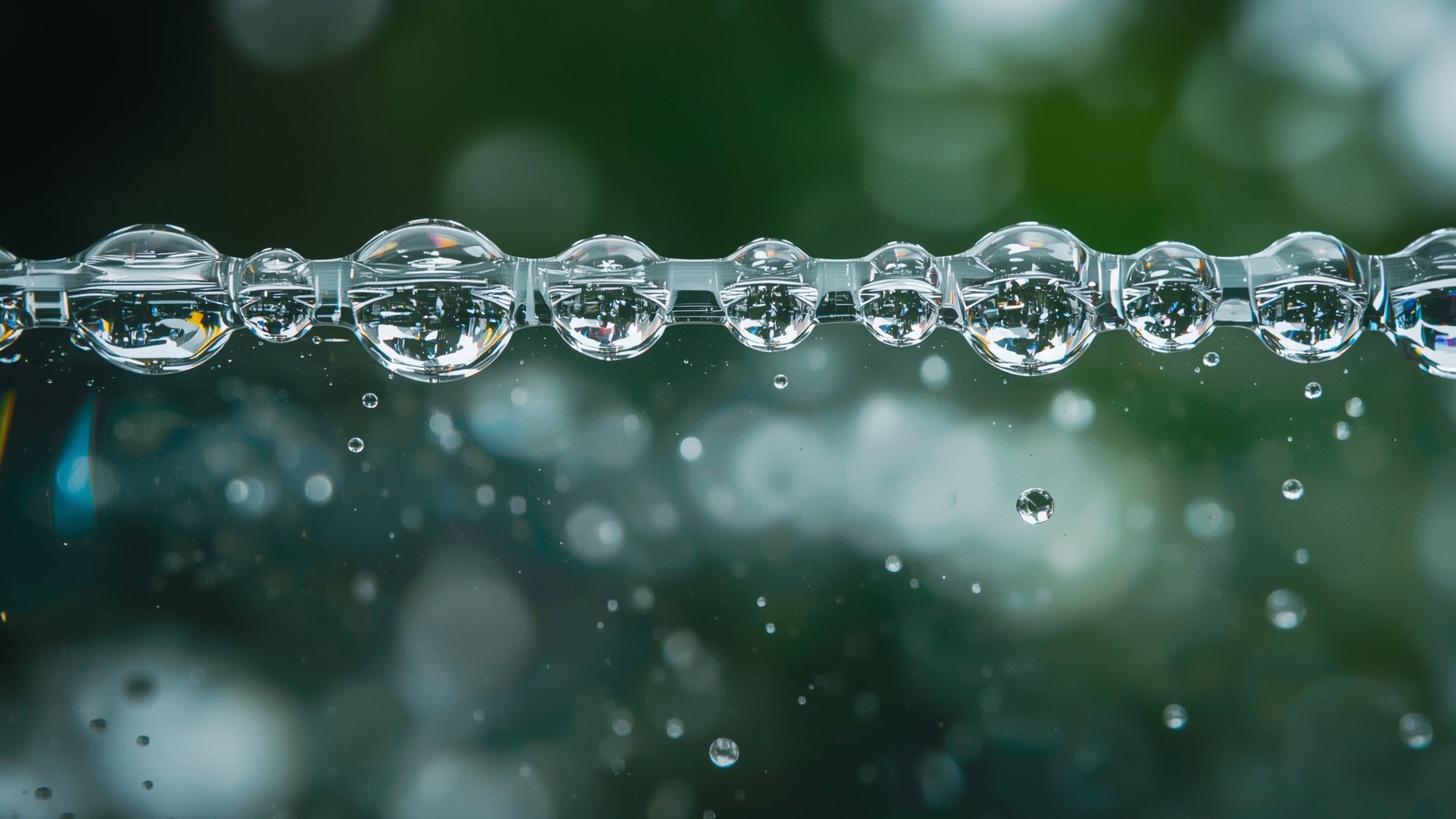
Quick Answer: Hydrophobic means water-repelling. When applied to glass, a hydrophobic coating lowers the surface’s attraction to water molecules. Water forms tight beads instead of spreading, then rolls off the glass at angles as low as 10 degrees.
Glass is naturally hydrophilic, meaning it attracts water. That is why rainwater spreads across your windows in sheets and dries as streaks. Minerals dissolved in the water — calcium, magnesium, silica — are left behind when that water evaporates. Over time, those minerals bond to the glass and become hard water stains.
A hydrophobic coating sits on top of the glass at the molecular level. It creates a surface that repels water rather than attracting it. Think of it like a non-stick pan. Water cannot spread and grip the surface, so it forms droplets and rolls away — taking dust, pollen, and contaminants with it.
How the Chemistry Works
Most hydrophobic glass coatings use one of two chemistries: fluoropolymers or siloxane-based compounds (also called silane or SiO2 coatings). Fluoropolymers are the active ingredient in products like RainX. Siloxane compounds are the basis for ceramic-style coatings like Gtechniq G1.
Both types bond to the silica in glass through a chemical reaction called covalent bonding. This means the coating is not just sitting on the surface — it is chemically attached. That is what separates a real hydrophobic coating from a simple glass cleaner with water-beading claims.
Contact Angle: The Key Measurement
The effectiveness of a hydrophobic coating is measured by contact angle — the angle a water droplet makes when it sits on a surface. Untreated glass has a contact angle of around 30 to 40 degrees. A good hydrophobic coating raises that to 90 to 110 degrees. Premium coatings can reach 120 degrees or higher.
| Chemistry Type | Base Compound | Contact Angle | Typical Lifespan | Bond Type |
|---|---|---|---|---|
| Fluoropolymer | PTFE / Polysiloxane | 90–100° | 1–3 months | Mechanical adhesion |
| Silane / SiO2 | Alkoxysilane | 100–110° | 6–12 months | Covalent bonding |
| Ceramic Nano-Coating | Silicon Dioxide (SiO2) + TiO2 | 110–120° | 2–5 years | Covalent + cross-linking |
| Fluorocarbon (professional) | PFPE compounds | 115–125° | 3–7 years | Covalent bonding |
Which Hydrophobic Glass Coatings Actually Perform Well?
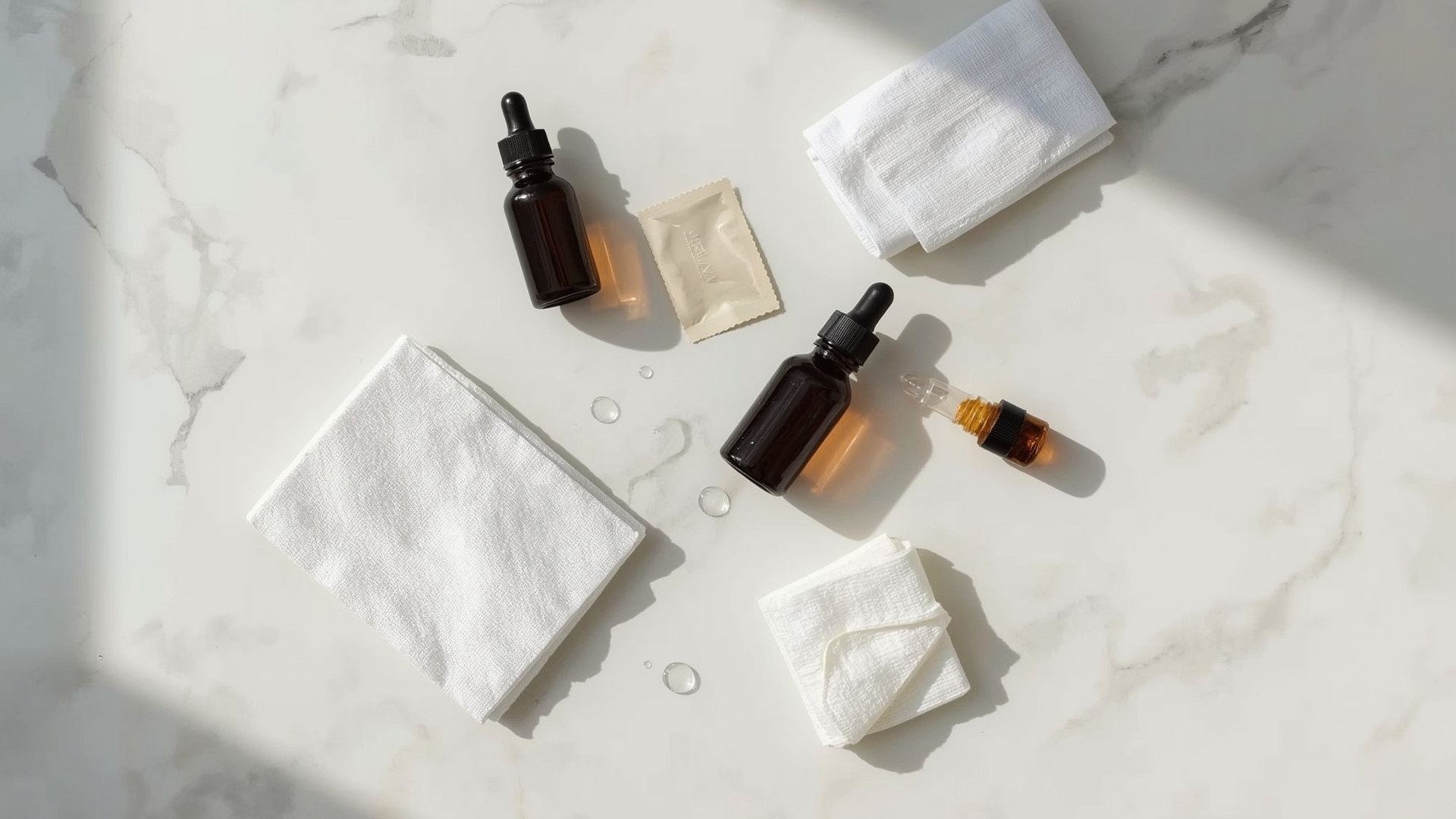
Quick Answer: RainX Original works for short-term protection at low cost. Aquapel offers longer durability for auto glass. Gtechniq G1 is the top choice for home windows and demanding conditions. Professional SiO2 nano-coatings last 2 to 5 years but cost significantly more.
RainX Original Glass Water Repellent
RainX is the most widely available hydrophobic glass treatment. It costs around $8 to $12 per bottle and is sold at most auto parts stores. The active ingredient is a silicone-based polymer that bonds to glass and creates a water-repelling film.
RainX works well on car windshields during active rain — visibility improvement is noticeable and immediate. On vertical surfaces like home windows, it lasts about 4 to 6 weeks before water stops beading consistently. It is also alcohol-based, which means it can strip some tint films if applied carelessly.
Aquapel Glass Treatment
Aquapel uses a fluorochemical compound rather than silicone. That chemistry bonds more aggressively to glass, which is why it outlasts RainX on most surfaces. A single Aquapel application typically holds for 3 to 6 months on auto glass and up to 3 months on home windows exposed to weather.
Aquapel comes in single-use applicator packets, which eliminates over-application problems. Each packet costs around $10 to $15 and covers a full windshield. It is not the cheapest option per use, but the longer durability makes the per-month cost competitive.
Gtechniq G1 ClearVision Smart Glass
Gtechniq G1 is a professional-grade SiO2-based coating designed for both automotive and architectural glass. It forms a covalent bond with the silica in glass, which is why it lasts significantly longer than fluoropolymer treatments. On auto glass, G1 holds for 6 to 12 months. On protected home windows, users report 9 to 18 months of reliable water beading.
G1 costs around $25 to $35 for a 15 ml bottle, which covers approximately 4 to 6 standard car windows or 2 to 3 home window panes. The application process is slightly more demanding than RainX — you need to work in small sections and buff off within 60 to 90 seconds of application.
Professional Nano-Coating Services
Professional ceramic and fluorocarbon coatings applied by a specialist offer the longest lifespan. These are typically multi-step applications that include surface decontamination, a primer layer, and the coating itself. Professional applications cost $150 to $600 per job depending on surface area and product used. Lifespan ranges from 2 to 5 years.
| Product | Chemistry | Price (Retail) | Lifespan (Auto Glass) | Lifespan (Home Windows) | Contact Angle | DIY Friendly |
|---|---|---|---|---|---|---|
| RainX Original | Silicone polymer | $8–$12 / bottle | 4–8 weeks | 3–5 weeks | ~90° | Yes |
| Aquapel | Fluorochemical | $10–$15 / packet | 3–6 months | 6–10 weeks | ~100° | Yes |
| Gtechniq G1 | SiO2 silane | $25–$35 / 15 ml | 6–12 months | 9–18 months | ~105–110° | Yes (careful) |
| Nanolex SI3D | SiO2 ceramic | $40–$55 / 50 ml | 12–18 months | 18–24 months | ~110° | Moderate |
| Professional Ceramic | SiO2 + TiO2 | $150–$600 / job | 2–5 years | 3–7 years | ~115–125° | No |
Is Hydrophobic Glass Coating Compatible With All Window Types?
Quick Answer: Most hydrophobic coatings are safe on standard annealed glass and tempered glass. Low-E glass with a soft coating on the interior surface can be damaged by solvent-heavy formulas. Always check the manufacturer’s compatibility statement before applying to specialty glass.
Standard Clear Glass and Tempered Glass
Standard float glass and tempered glass are fully compatible with all major hydrophobic coatings. The silica-rich surface bonds well with both silane and fluorochemical products. You can apply RainX, Aquapel, or G1 to these surfaces without risk of surface damage.
Low-E Glass
Low-E glass (low-emissivity glass) has a thin metallic or metal oxide coating applied to one surface. The coating reflects heat while allowing light through. Hard-coat Low-E glass — where the coating is baked into the glass — is generally safe for hydrophobic treatment on the exterior surface. Soft-coat Low-E glass is more vulnerable. Its metallic layer is on an inner pane surface and is not usually accessible, but if you are treating a single-pane Low-E window, use only a solvent-free, water-based hydrophobic product.
Tinted Glass
Factory-tinted glass (color baked into the glass) is safe to coat. Applied window tint film is different — alcohol-based products like RainX can cause the film’s adhesive to lift or the tint to fade. Use a silicone-free, alcohol-free hydrophobic coating on glass with tint film applied.
Laminated and Wired Glass
Laminated glass (like most car windshields) handles hydrophobic coatings well. The exterior surface is standard glass, so bonding is normal. Wired glass has embedded wire mesh and is found in older commercial buildings. The wire does not interfere with coating performance, but the glass is often not optically smooth, which can create uneven beading.
| Glass Type | Compatibility | Safe Products | Avoid | Notes |
|---|---|---|---|---|
| Standard Float Glass | Full | All types | Nothing | Best results — smooth, clean silica surface |
| Tempered Glass | Full | All types | Nothing | Check for fabrication debris before applying |
| Hard-Coat Low-E | Good | Silane, SiO2 | Abrasive prep | Coat exterior surface only |
| Soft-Coat Low-E | Caution | Water-based only | Solvent-heavy formulas | Usually inaccessible; confirm surface before treating |
| Film-Tinted Glass | Caution | Silicone-free, alcohol-free | RainX, alcohol-based | Alcohol lifts tint film adhesive |
| Laminated Glass | Full | All types | Nothing | Standard exterior surface — bonds normally |
How Do You Apply a Hydrophobic Coating to Windows Step by Step?
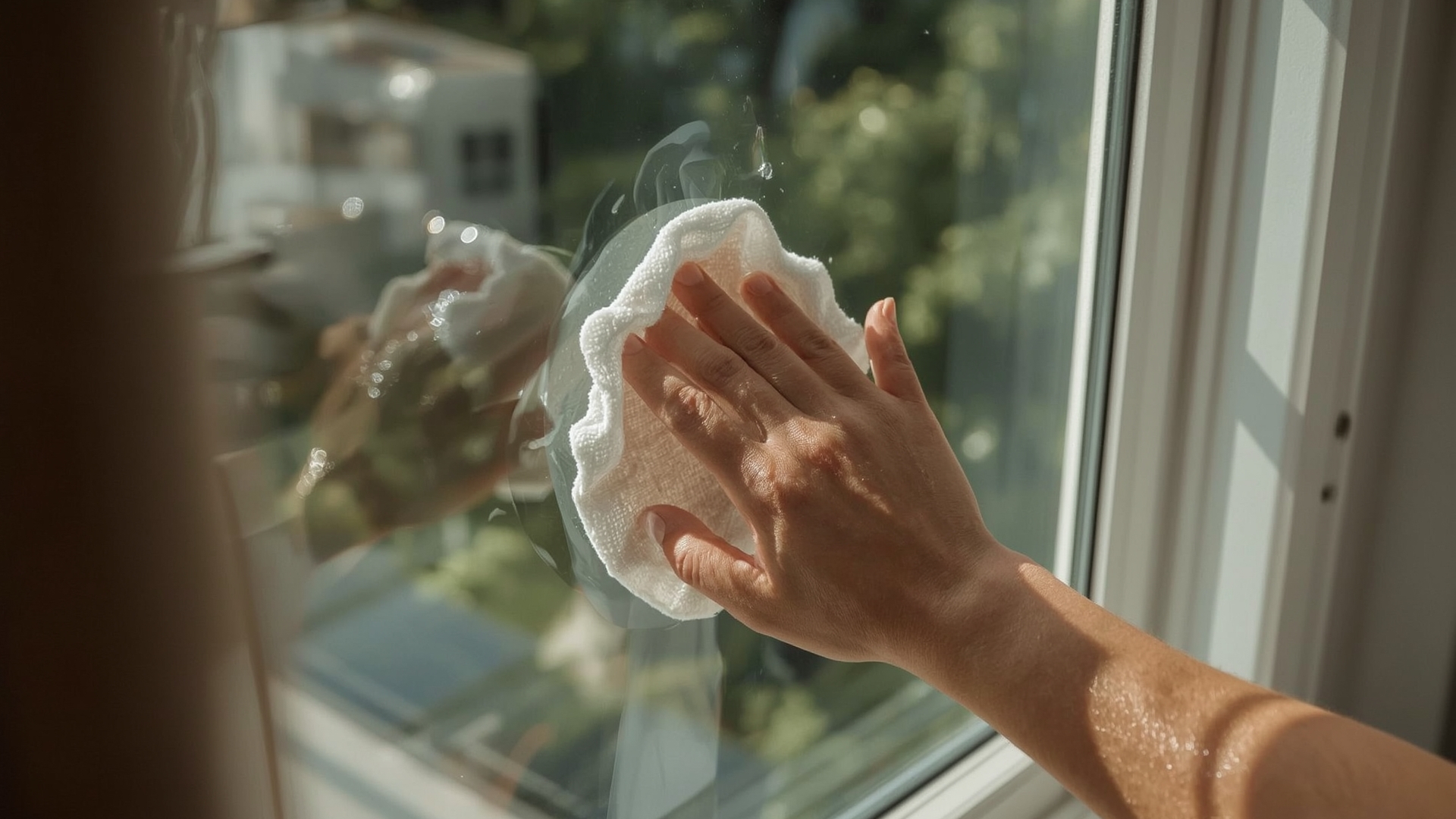
Quick Answer: Clean the glass thoroughly, remove all mineral deposits and contamination, then apply the coating in small sections using a microfiber applicator. Buff off residue immediately per the product’s instructions. Allow 2 to 12 hours to cure before the glass gets wet.
Step 1: Choose the Right Conditions
Do not apply hydrophobic coatings in direct sunlight or when the glass surface is hot. Heat causes the product to dry before it bonds properly, leaving a hazy residue that is difficult to remove. Work in shade, at temperatures between 50°F and 85°F (10°C and 29°C). Avoid applying before rain — most coatings need at least 2 hours of dry time to set.
Step 2: Deep Clean the Glass Surface
This is the most important step. Any contamination between the glass and the coating blocks adhesion. Wash the glass with a dedicated glass cleaner or isopropyl alcohol (70% concentration). If there are water spots or mineral deposits, remove them first using a clay bar, a dedicated mineral remover, or a diluted white vinegar solution (1:1 with water) applied with a non-scratch pad.
After cleaning, run your fingers across the dry glass. If it feels rough, gritty, or catches slightly, there is still contamination on the surface. Repeat cleaning until the glass feels completely smooth. This step determines how long your coating will last.
Step 3: Apply the Coating
Apply a small amount of product to a clean microfiber applicator pad or the included applicator. Work in sections of roughly 12 inches by 12 inches. Apply using overlapping circular or linear strokes — consistency matters more than technique.
Do not apply too much product. More coating does not mean better protection. With SiO2-based products like Gtechniq G1, a thin, even layer bonds better than a thick one. Thick application creates high spots that do not bond fully and wipe off in patchy streaks.
Step 4: Buff Off Residue
Each product has a specific flash-off time — the window between application and when you need to buff. RainX can be buffed immediately. Aquapel should be buffed within 30 seconds of application. Gtechniq G1 requires 60 to 90 seconds of flash time before buffing. Check your product label for the exact timing.
Use a clean, dry microfiber cloth to buff off residue using light circular pressure. Flip the cloth frequently so you are always using a clean section. Streaks or haze after buffing usually mean either too much product was applied or you waited too long to buff.
Step 5: Allow Full Curing
Curing time is different from dry time. The coating may feel dry within minutes, but the chemical bond with the glass continues strengthening for hours. Avoid washing or wetting the glass during this period.
| Product | Flash-Off Time | Full Cure Time | Min. Dry Time Before Rain | Reapplication Window |
|---|---|---|---|---|
| RainX Original | Immediate | 30–60 minutes | 1 hour | Monthly |
| Aquapel | 20–30 seconds | 1–2 hours | 2 hours | Every 3–6 months |
| Gtechniq G1 | 60–90 seconds | 4–6 hours | 4 hours | Every 9–18 months |
| Nanolex SI3D | 60–120 seconds | 8–12 hours | 8 hours | Every 12–24 months |
How Long Does Hydrophobic Glass Coating Last on Windows?
Quick Answer: Durability ranges from 4 weeks for basic silicone products like RainX to 18 months for SiO2-based coatings like Gtechniq G1. Lifespan depends on UV exposure, weather, cleaning frequency, and whether the surface was properly prepped before application.
Factors That Reduce Coating Life
UV exposure is the primary enemy of hydrophobic coatings. South-facing windows receive more direct sunlight and degrade coatings faster than shaded surfaces. A coating rated for 6 months on a north-facing window might last only 3 months on a south-facing one.
Harsh cleaning chemicals — particularly alkaline cleaners like ammonia-based glass cleaners — break down silicone and SiO2 coatings over time. Once coated, maintain glass with a pH-neutral glass cleaner or plain water. Abrasive cloths and scrapers also physically remove the coating.
How to Tell When the Coating Is Failing
The easiest test is the water bead test. Pour or spray a small amount of water on the glass. If it beads into tight droplets and rolls off at a low angle, the coating is active. If the water spreads into a sheet or only loosely beads without rolling, the coating is worn and needs reapplication.
Another sign is increased mineral deposit buildup. A working hydrophobic coating significantly slows mineral accumulation because water does not linger on the surface. If you notice hard water spots returning faster than usual, the coating has degraded.
What Are the Real Benefits of Hydrophobic Window Coatings?
Quick Answer: Hydrophobic coatings reduce water streaking, slow mineral deposit buildup, improve visibility in rain, and decrease how often windows need cleaning. They do not replace regular cleaning but extend the interval and make each cleaning session easier.
Improved Visibility in Rain
On automotive glass, the benefit is most obvious. At speeds above 40 mph, aerodynamic pressure pushes water beads off the glass without wipers. This is why hydrophobic coatings were first developed for windshields. On home windows, rain visibility improves noticeably — especially on large fixed panes where streaking is otherwise constant.
Slower Mineral Buildup
Hard water carries dissolved minerals that deposit on glass when the water evaporates. A hydrophobic coating does not stop water from touching the glass, but it reduces how long water sits on the surface. Less contact time means fewer minerals deposited per rain event. Over months, this translates to significantly fewer hard water stains compared to uncoated glass.
Easier Cleaning
Dirt, pollen, and most organic matter do not bond as strongly to a hydrophobically coated surface. When you wash the glass, contamination wipes away with less effort and less cleaner. This is sometimes called the self-cleaning effect — rain itself washes away loose surface contamination because the water rolls rather than spreads.
Are There Any Downsides to Hydrophobic Coatings on Windows?
Quick Answer: The main downsides are: incompatibility with some specialty glass, streaking if applied incorrectly, reduced effectiveness in low-speed or still conditions, and the need for thorough surface prep. Cost adds up if you are reapplying budget products frequently.
Application Errors Create Lasting Problems
Applying over contaminated glass, using too much product, or missing the buff window can leave a hazy film that is genuinely difficult to remove. Most removal attempts require aggressive polishing with a clay bar or light abrasive glass polish. This is the most common complaint about hydrophobic coatings — and it is almost always caused by skipping surface prep or poor application technique.
Not Fully Effective in Still Conditions
Hydrophobic coatings work best when water can roll or be blown off the surface. On a home window on a still, humid day, water beads will form but may not roll off. Those beads can still leave mineral rings when they eventually dry. This does not make the coating useless — it still reduces adhesion and beads water — but it is not a complete solution for heavy mineral exposure without adequate airflow or slope.
What Is the Best Way to Maintain Windows After Coating?
Quick Answer: Use a pH-neutral glass cleaner or distilled water with a microfiber cloth. Avoid ammonia-based cleaners, abrasive pads, and rubber squeegees with hard edges. Rinse glass after rain events in high-mineral-content areas to remove mineral residue before it dries.
Cleaning Products to Avoid
Ammonia degrades silicone-based coatings. Many household glass cleaners — including some popular blue-colored spray cleaners — contain ammonia. After applying a hydrophobic coating, switch to an ammonia-free, alcohol-free formula or simply use distilled water with a clean microfiber cloth.
Alkaline dish soaps also break down SiO2 coatings over time. If you need to soap-wash a coated window, use a pH-neutral car shampoo diluted in water. The coating will still gradually wear, but proper maintenance can extend its useful life significantly.
Inspection and Reapplication Schedule
Check the coating every 60 to 90 days using the water bead test. Mark your calendar when you apply the coating so you are not guessing when reapplication is due. SiO2-based coatings can often be topped up — a light reapplication over an existing coating before it fully fails can extend the total lifespan without full surface prep.
Frequently Asked Questions
Can you apply hydrophobic coating over existing hard water stains?
No. The coating will bond to the mineral deposit, not the glass — and the deposit will eventually flake or dissolve, taking the coating with it. Remove all hard water stains before applying any hydrophobic product. Use a dedicated mineral remover or a diluted white vinegar solution on stubborn stains.
Does hydrophobic coating work on interior window surfaces?
Yes, but the benefit is different. Interior glass is not exposed to rain, so the primary benefit shifts to easier cleaning and reduced smearing from humidity or condensation. SiO2 coatings work the same way on interior surfaces — the chemistry does not require outdoor conditions to bond.
Can you apply hydrophobic coating yourself, or do you need a professional?
Most DIY-grade products like RainX, Aquapel, and Gtechniq G1 are designed for home application. You do not need professional tools. What you do need is patience with surface prep and careful attention to product timing during application. Professional application is only necessary for multi-year ceramic coatings that require decontamination washes and bonding agents.
Will hydrophobic coating help with window condensation?
It depends on where the condensation forms. Exterior condensation — which happens when warm humid air hits cold glass — is reduced slightly because water beads rather than sheets. Interior condensation is a humidity problem, not a glass surface problem. A hydrophobic coating on the interior surface will not stop condensation from forming if the indoor humidity is too high.
How do you remove a hydrophobic coating if you want to start over?
Most coatings can be removed with isopropyl alcohol (90% or higher) applied with a microfiber cloth and firm wiping. Stubborn SiO2 coatings may require a light abrasive glass polish or a clay bar treatment. After removal, clean the surface thoroughly before applying a new product.
Is hydrophobic glass coating the same as ceramic window tint?
No. Ceramic window tint is a film applied to the interior surface of glass to block heat and UV light. It does not have significant water-repelling properties. A hydrophobic coating is applied to the exterior glass surface and only affects how water interacts with the glass — it has no effect on UV or heat transmission.