Most homeowners clean their windows when they notice streaks or grime buildup. The problem is, by then, the dirt has often done more damage than you’d expect. Dust, hard water minerals, and environmental debris bond to glass over time and become much harder to remove the longer they sit.
So how often should you actually schedule professional window cleaning? The honest answer depends on where you live, what type of home you have, and how your windows are exposed to weather. This guide breaks down a practical cleaning schedule for every situation, along with what it costs and when to clean the inside versus the outside.
Key Takeaways
- Most homes need professional window cleaning 2 to 4 times per year for exterior surfaces.
- Interior windows typically need cleaning once or twice a year, unless you have pets, young children, or heavy cooking activity.
- Your location matters more than most people realize — coastal, urban, and pollen-heavy areas require more frequent cleaning.
- Spring and fall are the best seasons to schedule professional cleanings for maximum impact.
- Professional cleaning costs $150 to $400 for a typical home, depending on size and number of windows.
- Waiting too long between cleanings can permanently etch glass, especially in areas with hard water or salt air.
How Often Should Most Homes Get Professional Window Cleaning?
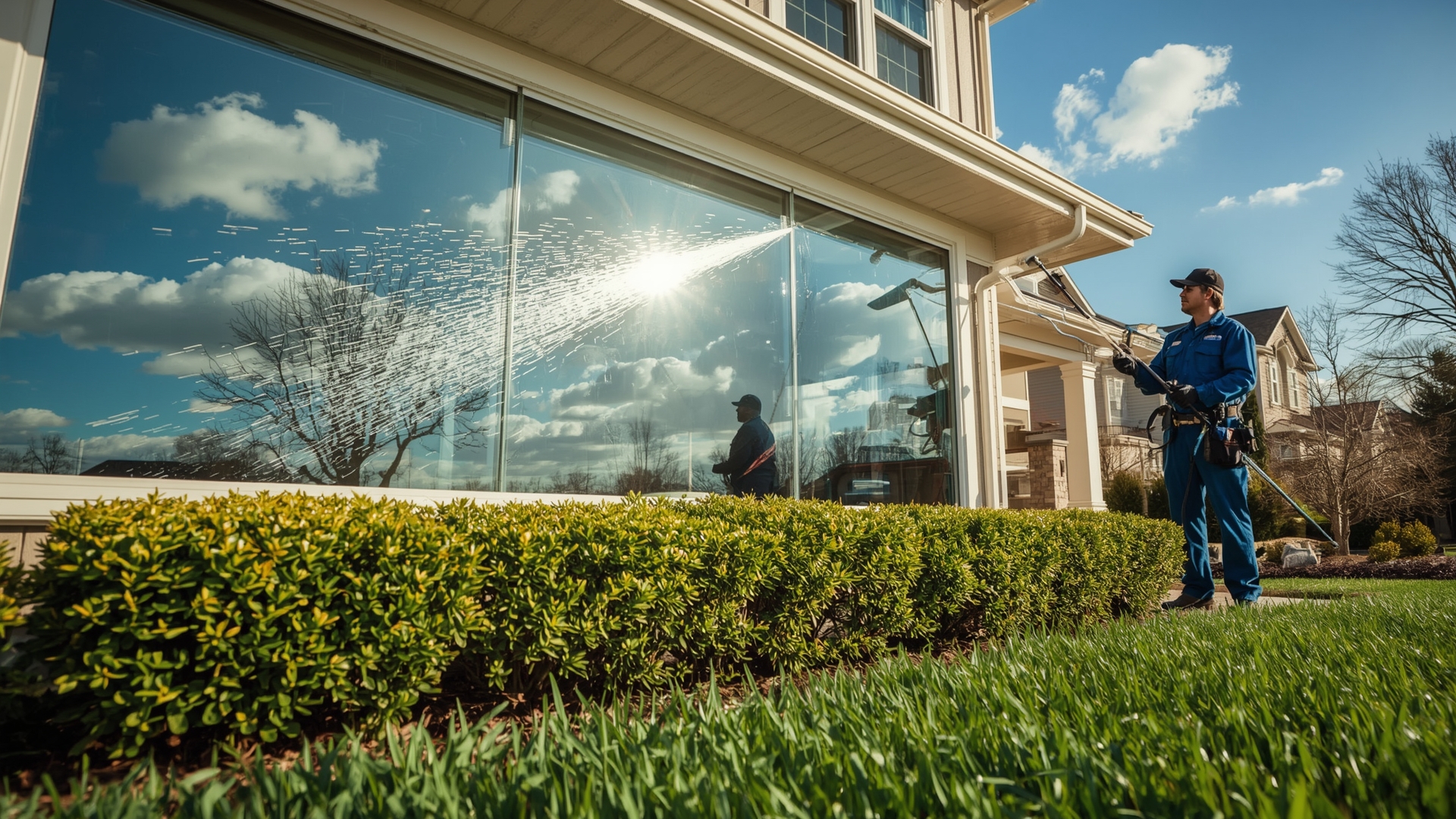
Quick Answer: Most single-family homes benefit from professional exterior window cleaning 2 to 4 times per year. Interior windows typically need professional attention once or twice a year. Homes in harsh climates or high-traffic areas may need more frequent service.
For the average suburban home with standard double-hung or casement windows, twice a year covers the basics. A spring cleaning removes winter grime, salt residue, and pollen. A fall cleaning clears summer dust and prepares glass for winter weather.
If you push past 6 months between cleanings, mineral deposits and biological staining (from algae or mold spores) start to form. At that point, a standard cleaning takes longer and may cost more.
Recommended Cleaning Frequency by Home Type
| Home Type | Exterior Frequency | Interior Frequency | Notes |
|---|---|---|---|
| Standard single-family home | 2 times per year | 1 time per year | Spring and fall cleanings recommended |
| Home with young children or pets | 2 to 3 times per year | 2 to 3 times per year | Interior smudging accelerates faster |
| Coastal or beachfront home | 4 to 6 times per year | 2 times per year | Salt air etches glass within weeks |
| Urban or high-pollution area | 3 to 4 times per year | 2 times per year | Particulate soot builds up quickly |
| Rural or wooded property | 2 to 3 times per year | 1 to 2 times per year | Pollen and tree sap are main concerns |
| High-rise condo or apartment | 2 times per year | 1 time per year | Exterior often handled by building management |
What Factors Make Windows Get Dirty Faster?
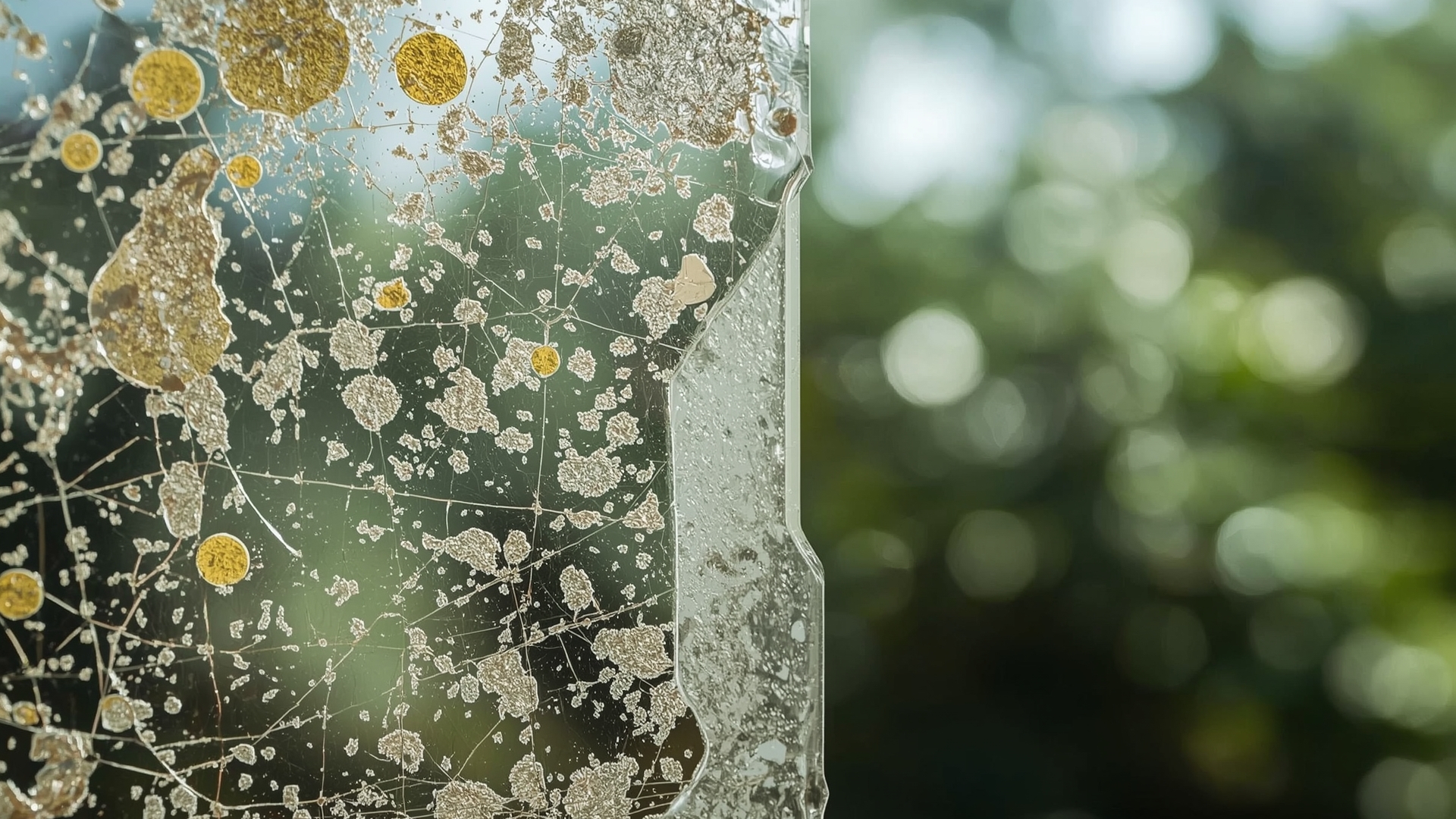
Quick Answer: Windows get dirty faster when exposed to salt air, pollen, hard water sprinklers, construction dust, heavy traffic, or pet contact. Local weather patterns, tree proximity, and window orientation also speed up buildup significantly.
Understanding why your windows get dirty helps you set the right schedule. It is not always about how messy your household is — most of the dirtying happens from the outside.
Environmental Factors That Speed Up Window Grime
- Salt air: Homes within 1 to 2 miles of the ocean accumulate a fine salt film on glass within days of a cleaning. Salt bonds with moisture and etches the surface over time.
- Tree pollen: In high-pollen regions, a yellow-green film can coat windows in under a week during spring bloom. Pollen is sticky and traps other debris.
- Sprinkler overspray: Hard water from irrigation systems leaves calcium and magnesium deposits (called limescale) directly on glass. These are among the hardest deposits to remove.
- Construction nearby: Sawdust, concrete dust, and drywall particles are abrasive. They scratch glass if rubbed in rather than properly washed off.
- Air pollution and vehicle exhaust: Urban areas with heavy traffic produce fine particulate matter that coats glass with a dark, greasy film.
- Condensation and humidity: High humidity creates water marks and encourages mold growth in window frames and corners.
Indoor Factors That Increase Interior Cleaning Frequency
- Pets: Dogs and cats leave nose prints, saliva, and dander on lower window panes. These can turn into permanent staining if left too long.
- Cooking grease: Kitchen windows near a stove collect airborne grease. This film attracts and holds dust particles.
- Wood-burning fireplaces: Smoke residue and soot migrate to nearby glass surfaces.
- Children: Fingerprints, crayon, and food contact are common on lower window panes in family homes.
Does Window Orientation Affect How Often You Need Cleaning?
Quick Answer: Yes. South-facing windows get more direct sun, which bakes on mineral deposits and grime faster. North-facing windows stay damp longer, encouraging mold and algae growth. West-facing windows face afternoon sun and wind-blown dust.
South-facing windows heat up significantly during the day. When mineral deposits or pollen sit on warm glass, they bond faster and become harder to remove with standard cleaning methods.
North-facing windows get less direct sunlight. They stay cooler and retain moisture longer, which creates conditions for algae and mildew to grow on the glass and frame. If you notice a green or black tinge forming on your windows, north orientation is often a contributing factor.
West-facing windows are hit by afternoon winds, which carry more particulate matter in most regions. These windows often look the dirtiest at the end of the day.
What Is the Difference Between Interior and Exterior Window Cleaning Schedules?
Quick Answer: Exterior windows face weather, pollution, and environmental debris, so they need cleaning 2 to 4 times per year. Interior windows are protected and usually only need cleaning once or twice a year, unless pets, children, or cooking activity increases the pace.
Exterior glass takes the full brunt of the weather. Rain, wind, pollen, and UV exposure all degrade the surface and leave deposits. Exterior cleaning is the higher priority for both appearance and glass preservation.
Interior glass is protected from weather but still accumulates dust, fingerprints, condensation marks, and cooking residue. The pace is slower, but ignoring interior surfaces for years leads to haze that is difficult to clear without professional equipment.
Interior vs. Exterior Cleaning: Key Differences
| Factor | Exterior Windows | Interior Windows |
|---|---|---|
| Primary dirt source | Weather, pollution, pollen, salt | Dust, fingerprints, cooking grease, pet contact |
| Recommended annual cleanings | 2 to 4 times per year | 1 to 2 times per year |
| Risk of permanent damage | Higher (etching, mineral staining) | Lower (mostly cosmetic buildup) |
| Tools typically used | Water-fed poles, squeegees, purified water | Microfiber cloths, solution spray, squeegees |
| Can DIY maintain between visits? | Partially (ground-floor windows) | Yes, easily with microfiber and distilled water |
When Is the Best Season to Schedule Professional Window Cleaning?
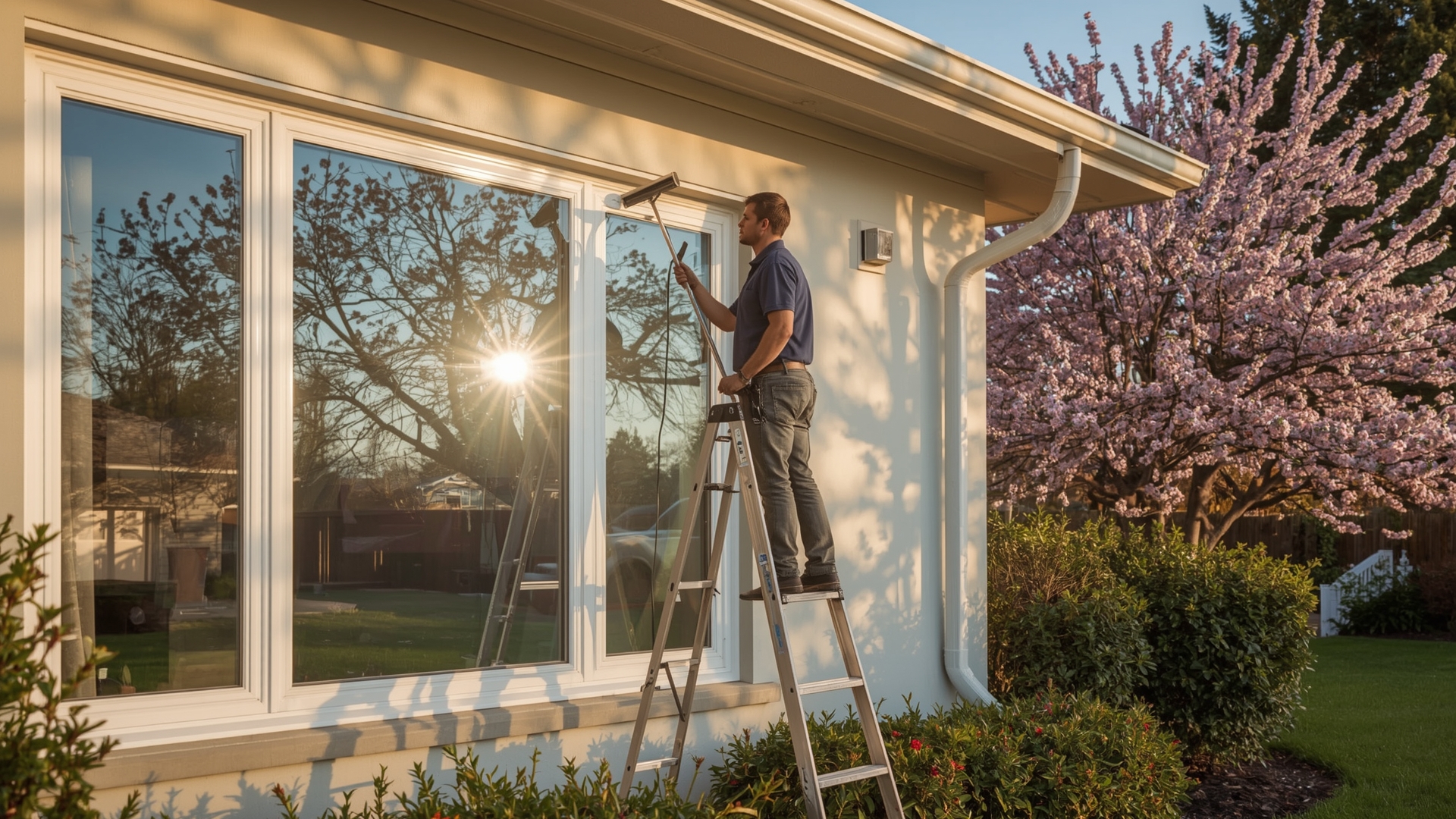
Quick Answer: Spring and fall are the best times to schedule professional window cleaning. Spring removes winter salt, grime, and pollen. Fall clears summer buildup before cold temperatures and condensation make glass harder to clean thoroughly.
Spring is the most popular time to book window cleaners, and for good reason. After winter, glass has months of salt, hard water spots, and mold buildup to clear. Spring cleaning also removes the fresh pollen that coats surfaces during bloom season.
Fall cleaning prepares your windows for winter. Clean glass seals better, reduces condensation buildup, and lets in more natural light during the darker months. It also gives cleaners a chance to spot any seal failures or frame damage before cold weather makes repairs harder.
Seasonal Cleaning Schedule at a Glance
| Season | Priority Level | Main Concerns | Recommended For |
|---|---|---|---|
| Spring (March to May) | High | Winter salt, pollen, mold | All home types |
| Summer (June to August) | Medium | Dust, UV baking, hard water from irrigation | Coastal, rural, high-traffic areas |
| Fall (September to November) | High | Summer residue, leaves, pre-winter prep | All home types |
| Winter (December to February) | Low | Ice, condensation, limited drying time | Mild climates only |
Winter cleaning is generally not recommended in cold climates. Below 40°F (4°C), cleaning solutions can freeze on glass before they dry. Most professional cleaners in northern states pause exterior service from December through February.
How Much Does Professional Window Cleaning Cost?
Quick Answer: Professional window cleaning costs $150 to $400 for a typical single-family home. Pricing depends on window count, home size, story height, and whether interior cleaning is included. Add-ons like screen cleaning or track cleaning cost extra.
Most window cleaning companies price by the pane or by the job. Per-pane pricing typically runs $4 to $10 per window for exterior-only service. A full exterior and interior cleaning often costs $8 to $15 per pane.
Professional Window Cleaning Cost by Home Size
| Home Size | Approximate Window Count | Exterior Only | Interior + Exterior |
|---|---|---|---|
| Small home (under 1,500 sq ft) | 10 to 15 windows | $80 to $150 | $130 to $225 |
| Medium home (1,500 to 2,500 sq ft) | 15 to 25 windows | $150 to $250 | $225 to $375 |
| Large home (2,500 to 4,000 sq ft) | 25 to 40 windows | $250 to $400 | $375 to $600 |
| Luxury or multi-story home (4,000+ sq ft) | 40+ windows | $400 to $700+ | $600 to $1,000+ |
What Affects Final Pricing?
- Story height: Second and third-floor windows require ladders or water-fed pole systems, which add $1 to $3 per window.
- Window type: Divided-light windows (with many small panes) take more time and cost more than standard single-pane windows.
- Screen and track cleaning: Most companies charge $2 to $4 extra per screen. Track cleaning is often quoted as a separate line item.
- Mineral deposit removal: Heavy hard water or calcium buildup requires specialized solutions and additional labor, adding $50 to $150 to a standard job.
- Frequency discounts: Many companies offer 10% to 15% discounts for recurring service agreements (quarterly or semi-annual).
Can You Do Anything Between Professional Cleanings to Keep Windows Cleaner?
Quick Answer: Yes. Between professional visits, wipe interior glass monthly with a microfiber cloth and distilled water. For exterior windows, a quick rinse with a garden hose after storms removes loose debris before it bonds to the glass surface.
Maintenance between professional cleanings extends how long your windows stay clear and reduces the cost of your next professional visit. You do not need special products for routine upkeep.
Simple Between-Visit Maintenance Tips
- Use a microfiber cloth, not paper towels. Paper towels leave fibers and can scratch soft coatings on treated glass.
- Use distilled water for interior wiping. Tap water contains minerals that leave new spots as it evaporates.
- Rinse exterior windows after storms. A simple rinse with a garden hose removes loose debris before it dries and bonds to the surface.
- Check and clean window tracks and weep holes. Clogged weep holes (small drainage slots in window frames) trap water against the glass and cause staining.
- Avoid sprinkler overspray on windows. Adjust your irrigation system so sprinkler heads do not spray directly onto glass or frames.
How Do You Know It Is Time to Call a Professional Instead of Cleaning Yourself?
Quick Answer: Call a professional when you see haze that does not clear with standard cleaning, mineral deposits that look cloudy or etched into the glass, any window above ground level that needs a ladder, or visible mold growth on frames or seals.
DIY cleaning works well for ground-floor interior surfaces with routine smudging. But a few situations call for professional tools and expertise.
Signs You Need a Professional Window Cleaner
- Persistent haze or cloudiness after cleaning is often mineral etching, not surface dirt. Professionals use oxalic acid solutions or cerium oxide compounds to restore clarity.
- White or gray crust on the glass is typically calcium or limescale from hard water. It requires a specialized descaling solution, not standard glass cleaner.
- Any window above the first floor requires proper ladder technique or extended-reach equipment to clean safely.
- Mold or algae on frames and sills needs treatment beyond surface wiping. Professionals can identify whether it is surface mold or a deeper moisture issue.
- Windows after construction or renovation often have paint overspray, silicone residue, or plaster dust that requires specialized removal without scratching the glass.
Does Professional Window Cleaning Extend the Life of Your Windows?
Quick Answer: Yes. Regular professional cleaning prevents mineral deposits, salt, and biological growth from permanently etching or staining glass. Replacing a single large window pane can cost $300 to $700. Routine cleaning at $150 to $400 per visit is far less expensive.
Glass is not as indestructible as it looks. Minerals from hard water etch microscopic pits into the surface over months. Salt air corrodes the silicone seals around window frames. Algae and mold grow into frame material and compromise the seal between glass and frame.
Professional cleaners also spot problems early. A technician cleaning your windows twice a year will notice a failing seal, a cracked frame, or early-stage mold growth before it becomes an expensive repair. Think of it like a twice-yearly checkup for your home’s most vulnerable exterior surfaces.
Frequently Asked Questions
Is once a year enough for professional window cleaning?
Once a year is the absolute minimum and works only for homes in mild climates with low pollution and no nearby trees. For most homes, once a year leaves enough time for mineral deposits and organic staining to begin permanent damage. Twice a year is the practical baseline.
Do professional window cleaners clean the window tracks too?
Most companies offer track cleaning as an add-on service, not a standard inclusion. Window tracks, also called window channels, collect dirt, dead insects, and moisture. Ask your provider if track cleaning is included or priced separately before booking.
Should I clean windows before or after it rains?
Clean windows after rain, not before. Cleaning before a rainstorm means rain deposits mineral residue from tap water and debris back onto fresh glass. After rain, windows may still have water spots, but cleaning them then removes those spots along with any remaining grime.
How long does a professional window cleaning appointment take?
A standard home with 15 to 20 windows takes 1 to 2 hours for exterior-only cleaning. Adding interior cleaning extends the appointment to 2 to 4 hours. Larger homes with 30 or more windows may take a full day, especially if screens and tracks are included.
Can professional window cleaning remove scratches from glass?
Light surface scratches can sometimes be polished out with a cerium oxide compound, which is a fine abrasive powder used in glass restoration. Deep scratches that penetrate the glass surface cannot be repaired and require pane replacement. Not all cleaning companies offer scratch removal, so ask specifically before booking.
What is the difference between soft wash and pressure washing for windows?
Soft wash uses low pressure and a cleaning solution to dissolve grime without risking glass or seal damage. Pressure washing uses high-force water that can crack glass, damage weatherstripping, or force water into wall cavities. Professional window cleaners use soft wash methods or water-fed pole systems, not pressure washers, on glass surfaces.