Replacing a double pane window costs between $150 and $650 per window for a standard IGU (insulated glass unit) swap, or $300 to $1,200+ for a full frame-and-glass replacement. The range is wide because frame material, glass upgrades, window size, and your location all pull the number in different directions.
This guide breaks down every cost variable so you can compare quotes accurately, know which upgrades are worth paying for, and avoid overpaying for work you don’t need.
Key Takeaways
- IGU-only replacement costs $150–$650 per window and is the right choice when your frame is structurally sound.
- Full window replacement costs $300–$1,200+ per window and is needed when the frame is rotted, warped, or severely damaged.
- Low-E glass upgrades add $30–$100 per window but can cut heating and cooling costs by 10–25%.
- Frame material is the single biggest cost driver outside of window size — vinyl is cheapest, fiberglass and wood are most expensive.
- Labor runs $100–$300 per window for standard installations and varies most by region.
- Regional pricing swings up to 40% depending on labor markets in your area.
What Is the Average Cost to Replace a Double Pane Window?
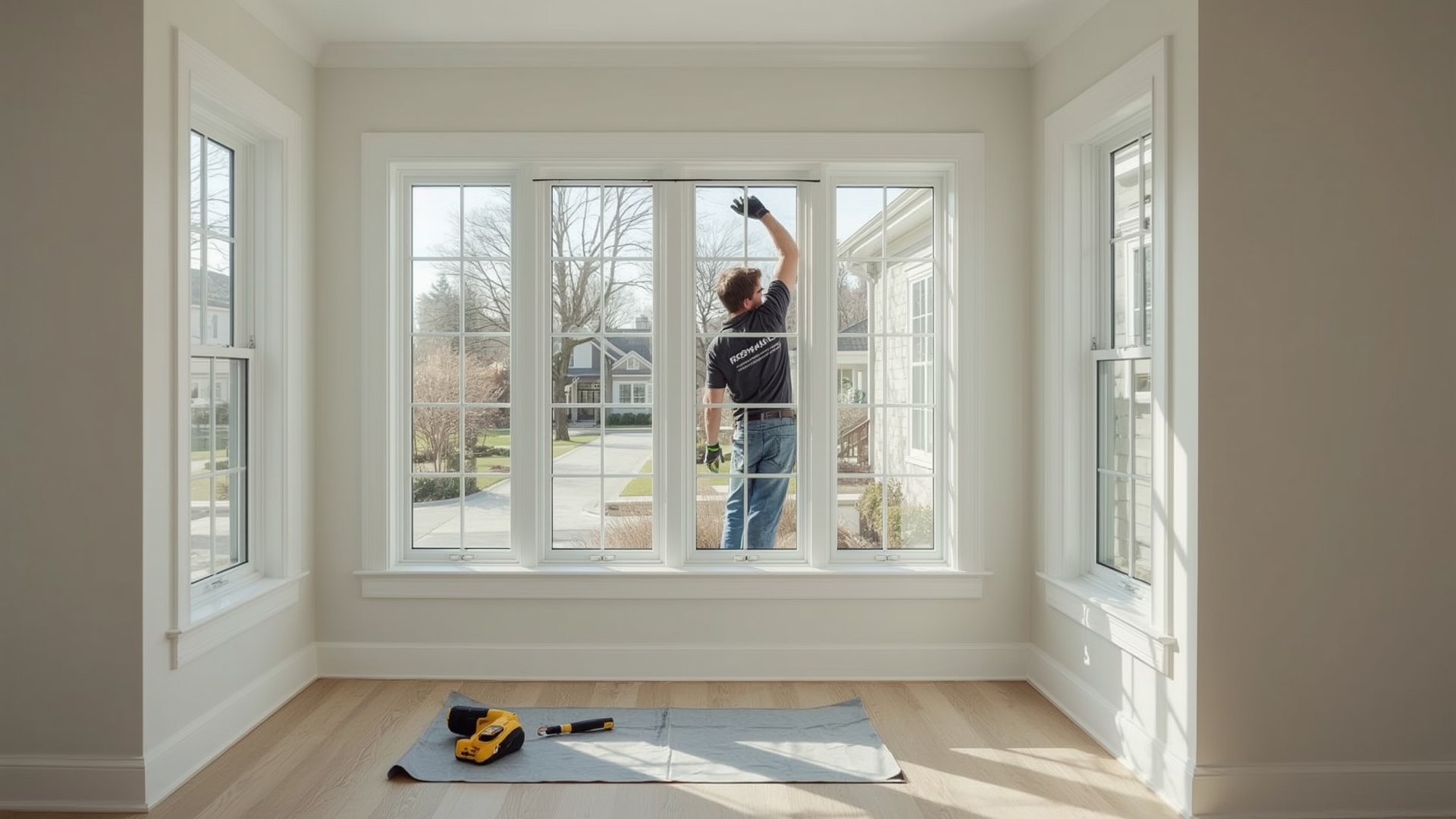
Quick Answer: The average double pane window replacement costs $400–$800 per window fully installed, including labor. IGU-only swaps run $150–$650. Full window replacements with new frames run $300–$1,200. Most homeowners spend $500–$700 per window for a mid-range vinyl replacement.
The word “replacement” covers two different jobs, and mixing them up is the main reason homeowners get confused by quotes.
An IGU replacement (also called a glass-only replacement) swaps out the sealed glass unit inside your existing frame. The frame stays. This is cheaper, faster, and the right move when your frame is in good shape but the seal has failed — causing fog, condensation between the panes, or visible moisture.
A full window replacement removes the entire unit — frame, sashes, hardware, and glass — and installs a brand-new window. This costs more but becomes necessary when the frame is rotted, warped, cracked, or when you want to change the window style or improve energy performance significantly.
IGU Replacement vs. Full Window Replacement: Cost Comparison
| Replacement Type | Materials Only | Labor | Total Per Window | Best For |
|---|---|---|---|---|
| IGU Only (glass swap) | $80–$350 | $75–$150 | $150–$650 | Intact frames, failed seal |
| Full Window (insert) | $200–$700 | $100–$250 | $300–$950 | Functional frame opening, upgrade |
| Full Window (full-frame) | $250–$900 | $150–$300 | $400–$1,200+ | Rotted frame, new construction |
How Does Frame Material Affect Window Replacement Cost?
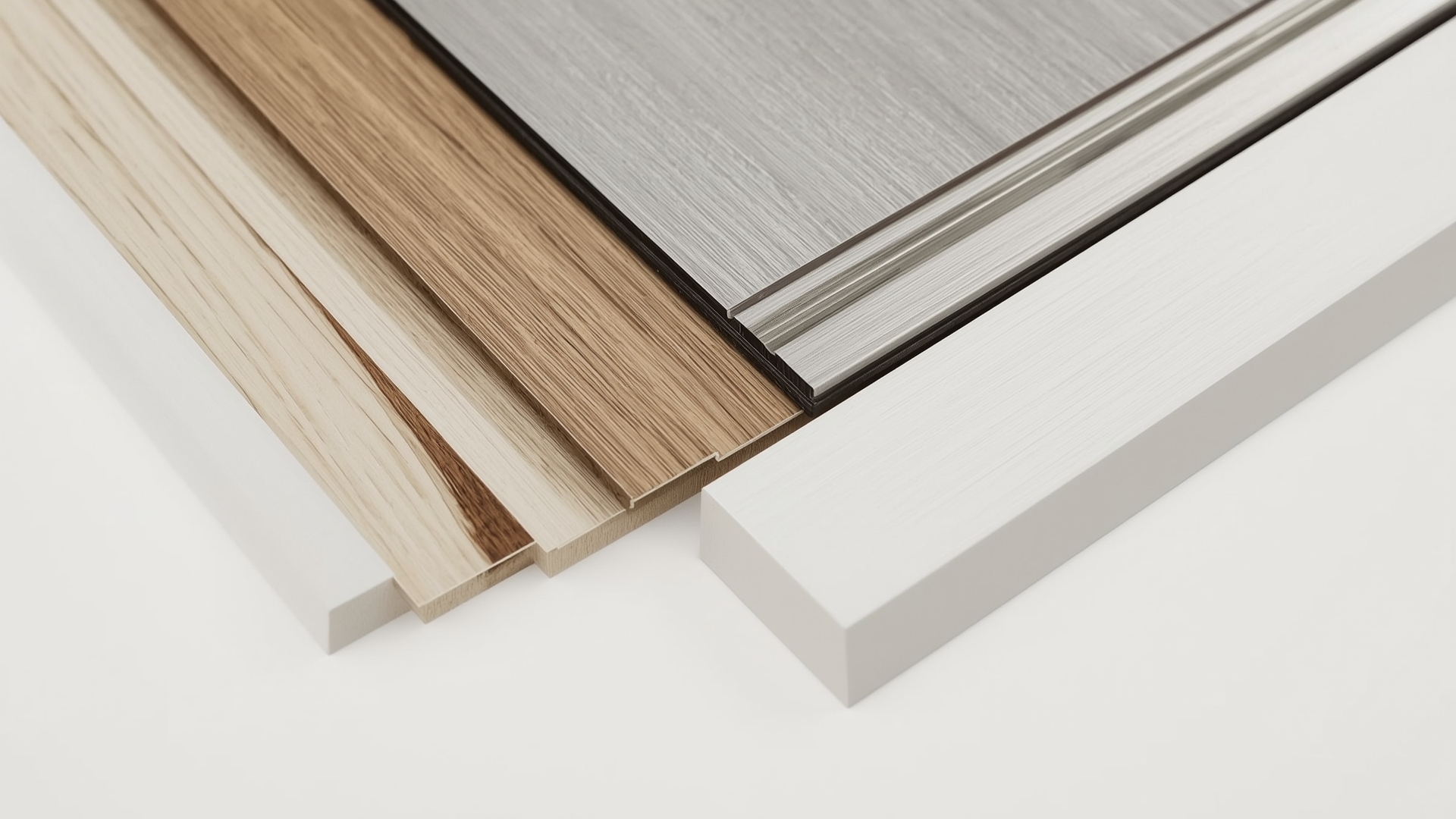
Quick Answer: Frame material changes total window cost by $100–$600 per window. Vinyl is the most affordable at $300–$700 installed. Wood frames cost $600–$1,200+. Fiberglass runs $500–$1,000. Aluminum sits in the middle at $350–$850 installed.
Frame material isn’t just an aesthetic choice. It affects the total cost, the labor involved, and how well the window holds up over time.
Vinyl Window Frames
Vinyl is the most popular frame material in the U.S. for good reason. It’s affordable, low maintenance, and a good insulator. A double pane vinyl window fully installed typically runs $300–$700 per window. Vinyl doesn’t rot, warp, or need painting. The trade-off is that it can’t be painted and may sag in extreme heat climates over time.
Wood Window Frames
Wood frames cost significantly more — typically $600–$1,200+ per window installed. They offer excellent insulation and can be painted or stained to match any style. The downside is maintenance. Wood frames need periodic sealing, painting, and are vulnerable to rot and moisture if neglected.
Fiberglass Window Frames
Fiberglass frames run $500–$1,000 per window installed. They’re the most durable option: they resist warping, rot, and temperature changes better than vinyl or wood. Many contractors recommend fiberglass for high-performance builds or climates with extreme temperature swings.
Aluminum Window Frames
Aluminum frames cost $350–$850 per window installed. They’re strong and slim, which allows for larger glass areas. However, aluminum conducts heat and cold easily, making it the worst insulator of the four main frame types. Modern aluminum frames often include a thermal break (an insulating barrier inside the frame) to reduce this problem.
Frame Material Cost and Performance Comparison
| Frame Material | Installed Cost Per Window | Lifespan | Maintenance Level | Insulation Rating | Best Climate |
|---|---|---|---|---|---|
| Vinyl | $300–$700 | 20–40 years | Low | Good (U-factor: 0.20–0.35) | All climates |
| Wood | $600–$1,200+ | 30–50 years | High | Excellent (U-factor: 0.15–0.30) | Temperate, dry |
| Fiberglass | $500–$1,000 | 40–60 years | Low–Medium | Excellent (U-factor: 0.17–0.28) | All climates |
| Aluminum | $350–$850 | 20–30 years | Low | Poor without thermal break | Mild climates |
The U-factor measures how well a window prevents heat from escaping. Lower U-factor = better insulation. The ENERGY STAR program requires a U-factor of 0.30 or lower in most northern U.S. climate zones.
What Do Low-E Glass Upgrades Cost and Are They Worth It?
Quick Answer: Low-E glass adds $30–$100 per window to material costs. It uses a microscopically thin metallic coating to block UV and infrared heat while letting visible light through. Most homeowners recover the upgrade cost through energy savings within 3–5 years.
Low-E stands for low-emissivity. The coating reflects radiant heat — keeping heat inside in winter and blocking solar heat from entering in summer. It’s one of the highest-value upgrades available when replacing double pane windows.
Types of Low-E Coatings and Their Costs
There are two main types: passive low-E and solar control low-E. Passive low-E is designed for cold climates. It lets some solar heat in during winter while still reflecting indoor heat back inside. Solar control low-E is built for hot climates. It blocks solar heat gain more aggressively.
| Low-E Type | Added Cost Per Window | U-Factor Range | SHGC Range | Best Climate | Energy Savings Est. |
|---|---|---|---|---|---|
| Standard Double Pane (no Low-E) | Baseline | 0.48–0.55 | 0.58–0.70 | Any | Baseline |
| Passive Low-E (Hard Coat) | +$30–$50 | 0.30–0.40 | 0.40–0.55 | Cold climates | 10–15% savings |
| Solar Control Low-E (Soft Coat) | +$50–$100 | 0.20–0.30 | 0.20–0.35 | Hot/mixed climates | 15–25% savings |
| Triple Pane + Low-E | +$100–$200 | 0.10–0.20 | 0.15–0.30 | Very cold climates | 20–30% savings |
SHGC stands for Solar Heat Gain Coefficient. It measures how much solar heat passes through the glass. A lower SHGC means less heat enters — better for hot climates. A higher SHGC can help passive heating in cold climates.
Gas Fill Upgrades: Argon vs. Krypton
Most quality double pane windows fill the space between panes with argon gas instead of air. Argon is denser than air, so it slows heat transfer. This upgrade typically adds $10–$30 per window and improves the U-factor by roughly 10–15%.
Krypton gas performs even better but costs more — an upgrade of $20–$50 per window. It’s most valuable in triple-pane windows where the space between panes is thinner and argon becomes less effective.
How Does Window Size and Type Change the Total Cost?
Quick Answer: Larger windows cost more because they use more glass and require more labor to handle safely. A standard double-hung window runs $300–$800 installed. A picture window or bay window can run $600–$2,500+ depending on size, with bay windows often requiring structural support work.
Window type affects cost beyond just glass area. Operating windows (windows that open and close) have moving parts, hardware, and weather sealing that add to the price. Fixed windows are simpler and usually cheaper per square foot of glass.
Cost by Window Type
| Window Type | Typical Size (sq ft) | Installed Cost Range | Notes |
|---|---|---|---|
| Double-Hung | 6–12 sq ft | $300–$800 | Most common, two operable sashes |
| Casement | 4–10 sq ft | $350–$900 | Crank-operated, excellent seal |
| Sliding | 8–15 sq ft | $350–$850 | Horizontal operation, minimal hardware |
| Picture (Fixed) | 10–20+ sq ft | $400–$1,200 | No moving parts, large glass area |
| Bay / Bow | 15–30+ sq ft | $1,000–$3,500+ | Multiple units, may need structural work |
| Egress (Basement) | 5–9 sq ft | $400–$1,000 | Code-required minimum size; may need well excavation |
| Skylight | 4–8 sq ft | $900–$2,500 | Roof penetration adds labor and waterproofing cost |
How Much Does Labor Cost for Double Pane Window Replacement?
Quick Answer: Labor for double pane window replacement runs $100–$300 per window for standard installations. Complex jobs — second-floor windows, structural modifications, custom sizes — push labor to $300–$600+ per window. Labor typically makes up 30–50% of the total project cost.
Labor costs vary based on what the installer has to deal with. A straightforward ground-floor insert replacement on a standard vinyl window takes 1–2 hours per window. That’s on the low end of the labor range.
Complications that increase labor costs include:
- Second or third-story windows requiring scaffolding or special equipment
- Full-frame removal requiring wall repair or reframing
- Stucco or brick exteriors that need cutting and patching
- Custom-sized or specialty-shaped windows
- Windows with integrated blinds or decorative grilles
Disposal and Permit Fees
Most contractors charge $25–$75 per window for old window disposal. Building permits are required in many jurisdictions for full-frame replacements. Permit costs typically run $50–$200 for a standard residential window permit, though some local governments charge per window or by project value.
Always ask your contractor whether their quote includes permits. Some do, some don’t.
How Does Location Affect Window Replacement Pricing?
Quick Answer: Regional labor rates cause window replacement costs to swing 25–40% from the national average. Northeast and West Coast metros like New York, Boston, and San Francisco run 20–40% above average. Southeast and Midwest markets like Nashville, Columbus, and Kansas City run 10–20% below average.
Material costs are fairly consistent across the country since most windows ship from national manufacturers. Labor is where geography matters most.
Regional Price Index for Window Replacement
| Region | Avg. Cost Per Window (Installed) | vs. National Average | Key Cost Driver |
|---|---|---|---|
| Northeast (NY, MA, CT) | $600–$1,100 | +25–40% | High labor rates, older home stock |
| West Coast (CA, WA, OR) | $550–$1,050 | +20–35% | High labor, energy code requirements |
| Mountain West (CO, UT, AZ) | $450–$850 | +5–15% | Moderate labor, high UV/heat demand |
| Midwest (IL, OH, MN) | $350–$750 | –5–10% | Competitive market, moderate labor |
| Southeast (FL, GA, NC, TN) | $300–$700 | –10–20% | Lower labor rates, no frost requirements |
| South Central (TX, LA, OK) | $325–$725 | –8–15% | Competitive installer market |
What Are the Signs You Need Double Pane Window Replacement?
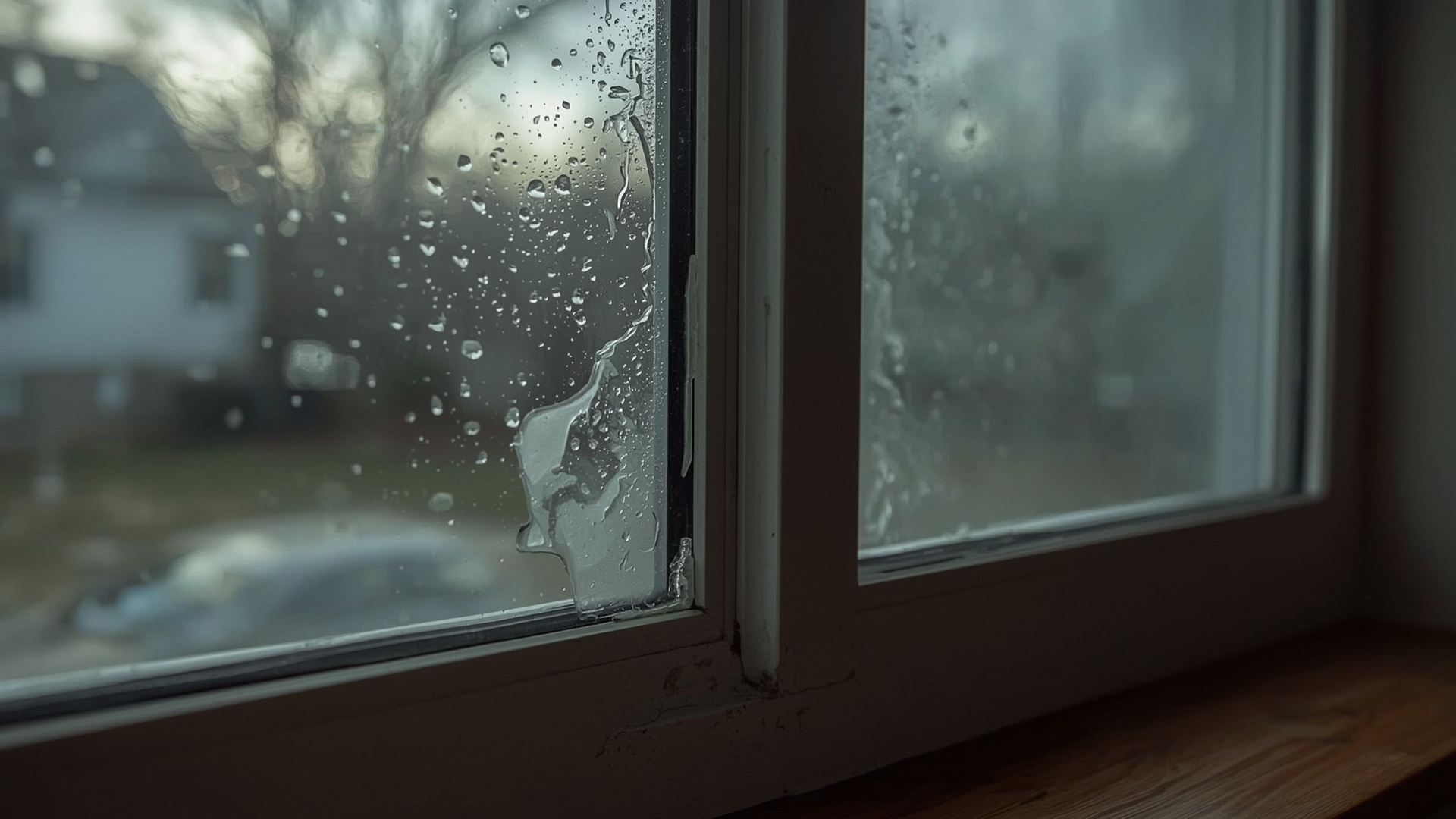
Quick Answer: The most common signs are foggy or cloudy glass between the panes (failed seal), visible condensation between panes, cold drafts near a closed window, high energy bills with no other cause, and visible frame damage like rot, warping, or cracking around the window edges.
Fog or condensation between the panes is the most definitive sign of a failed IGU seal. Once the seal breaks, outside air (and moisture) enters the space between the glass panels. The insulating gas escapes. The window loses most of its thermal performance.
A fogged double pane window isn’t just ugly. It’s doing significantly less work to keep your home comfortable.
IGU Failure vs. Frame Damage: Which Determines Your Replacement Type?
Isolated IGU failure with an intact frame = IGU replacement only. This saves $150–$500 per window compared to full replacement.
Frame rot, severe warping, or structural damage = full window replacement required. Putting a new IGU into a damaged frame creates the same failure pattern within a few years.
A good window contractor will assess the frame before recommending a replacement path. Be skeptical of any contractor who recommends full replacement without inspecting the frame condition first.
What Additional Costs Should You Budget For?
Quick Answer: Budget an additional 10–20% above the window and labor quote for related costs. These include interior and exterior trim repair ($50–$200 per window), paint touch-up ($30–$100), window treatments reinstallation ($25–$75), and unexpected structural work if frame damage extends into the wall framing.
Common Additional Costs
- Interior trim (casing) replacement: $50–$150 per window if damaged during removal
- Exterior caulking and flashing: Usually included in installation; confirm before signing
- Drywall repair: $75–$300 per window if full-frame removal disturbs the wall
- Window well installation (egress): $500–$2,500 depending on excavation needed
- Storm window removal: $25–$75 per window if your home has original storm windows
Multi-Window Project Discounts
Replacing multiple windows in one project almost always earns a discount. Most contractors offer 5–15% off labor when replacing 5 or more windows at once. Some window manufacturers offer package pricing that reduces per-unit material costs by 8–20% for orders of 6+ units.
If you’re replacing multiple windows, schedule them together rather than one at a time. The savings are real.
How Long Does Double Pane Window Replacement Take?
Quick Answer: A standard insert replacement takes 1–2 hours per window. A full-frame replacement with wall repair takes 2–4 hours per window. A 10-window full project typically takes 1–2 days total. Custom or oversized windows add lead time of 4–8 weeks for fabrication before installation begins.
Lead time is the part homeowners most often underestimate. Standard vinyl windows are usually stocked or have a 1–2 week lead time. Custom sizes, specialty glass, or wood-clad windows can take 4–10 weeks from order to delivery.
Plan your replacement project around the lead time, not just the installation day itself.
Are There Rebates or Tax Credits for Double Pane Window Replacement?
Quick Answer: Yes. ENERGY STAR-certified windows qualify for a federal tax credit of 30% of material costs, up to $600 per year under the Energy Efficient Home Improvement Credit. Many utility companies offer additional rebates of $25–$100 per window for ENERGY STAR-qualified replacements.
The federal tax credit applies to ENERGY STAR-certified windows only. To qualify, the window must meet climate zone-specific performance standards for U-factor and SHGC. Your contractor should be able to provide the product’s ENERGY STAR certification documentation.
Utility rebates vary widely. Check your local utility company’s website or the ENERGY STAR rebate finder tool to see what’s available in your ZIP code before purchasing.
How to Maximize Your Window Replacement Rebates
- Request the manufacturer’s ENERGY STAR certification number before purchase
- Save all receipts and product specification sheets for tax filing
- File IRS Form 5695 to claim the Residential Energy Credit
- Check state-level energy efficiency programs — some offer additional credits of $50–$300 per window
- Ask your utility company about demand-response or efficiency incentive programs
How Do You Get an Accurate Quote for Window Replacement?
Quick Answer: Get at least three written quotes that specify: frame material, glass package (Low-E type, gas fill), labor scope, permit inclusion, warranty terms, and whether old window disposal is included. Quotes missing these details make comparison nearly impossible and leave room for surprise charges.
The cheapest quote isn’t always the best one. A low quote may exclude permits, use no-name glass units with short warranties, or quote an insert job when your frame actually needs full replacement.
What a Transparent Window Quote Should Include
- Window brand and model number
- Frame material and color
- Glass specification: number of panes, Low-E type, gas fill (argon/krypton)
- U-factor and SHGC values for each window
- Labor breakdown by window (not just a project total)
- Permit fees (included or billed separately)
- Disposal fees
- Manufacturer warranty duration and coverage
- Installer workmanship warranty (typically 1–5 years)
- Payment schedule and deposit terms
What Warranties Cover Double Pane Windows?
Quick Answer: Most double pane windows carry a manufacturer warranty of 10–20 years on the IGU seal and glass, and 5–10 years on frame hardware. Some premium brands offer lifetime limited warranties on frames. Installer workmanship warranties typically run 1–5 years and cover installation defects, not product failures.
IGU seal warranties are the most important to review. A seal warranty that covers parts but charges labor for replacement is less valuable than it looks. Confirm whether the seal warranty is transferable if you sell your home — a transferable warranty adds real resale value.
Frequently Asked Questions
Can you replace just the glass in a double pane window without replacing the frame?
Yes, as long as the frame is structurally sound. This is called an IGU replacement. A glazier or window specialist removes the old glass unit from the existing frame and installs a new sealed unit. It costs significantly less than full frame-and-glass replacement.
How long do double pane windows last before needing replacement?
The IGU seal typically lasts 15–25 years before failing. The frame can last 20–50 years depending on material — fiberglass frames last longest, aluminum frames have the shortest lifespan. Climate and maintenance habits affect both.
Does replacing double pane windows increase home value?
Yes, though the return varies by market. Energy-efficient window replacements typically recover 60–75% of their cost at resale according to Remodeling Magazine’s annual Cost vs. Value report. In energy-expensive markets like the Northeast, recovery rates can reach 80–90%.
What causes double pane windows to fog up?
Fogging between panes means the sealed air gap has been breached. The insulating gas escapes and moist air enters. Temperature changes then cause that moisture to condense on the inner glass surfaces. A failed IGU seal is the cause, and the only fix is replacing the glass unit.
Is fiberglass worth the extra cost over vinyl for window frames?
For most homeowners, vinyl performs well at a lower cost. Fiberglass makes sense in climates with extreme temperature swings, coastal environments with salt air, or when longevity and minimal maintenance are the top priorities. Fiberglass frames typically outlast vinyl frames by 15–20 years.
How much can you save on energy bills after replacing old double pane windows?
Replacing old single-pane or degraded double pane windows with ENERGY STAR-certified double pane windows can reduce heating and cooling costs by $100–$465 per year according to ENERGY STAR estimates. The savings depend on your climate, home size, and the efficiency of your existing windows.