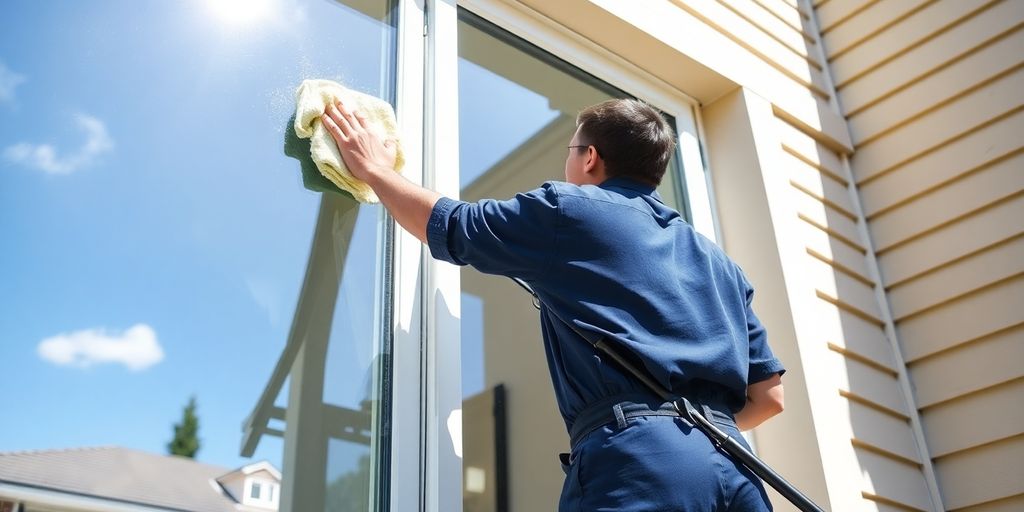
Thinking about starting a window cleaning business? It’s a pretty solid idea for getting your own thing going. You don’t need a fancy degree or a ton of cash to get started, and people always need clean windows. It can be a great way to be your own boss and build something up. We’ve put together a guide to help you figure out the steps involved in starting a window cleaning business, from planning it all out to getting those first customers.
Key Takeaways
- Develop a solid business plan to map out your goals, services, target market, and financial projections for your window cleaning business.
- Properly set up your business by registering your name, securing necessary licenses, and opening a dedicated business bank account.
- Prioritize safety by understanding OSHA regulations, considering safety certifications, and being aware of any state-specific codes relevant to window cleaning.
- Equip your venture with the right tools, from basic squeegees and buckets to appropriate transportation and potentially advanced equipment like water-fed poles.
- Effectively price your services, attract customers through local and online marketing, and protect your business with adequate insurance coverage.
Laying The Foundation For Your Window Cleaning Business
Getting your window cleaning business off the ground starts with a solid plan. Think of this as your roadmap, helping you figure out where you’re going and how you’ll get there. It’s not just about cleaning windows; it’s about building a sustainable business.
Crafting Your Business Plan
So, what goes into a business plan for window cleaning? It’s a document that outlines your company’s goals and how you plan to achieve them. You’ll want to cover things like:
- Your Business Name: What will people call you?
- Services Offered: What exactly will you clean? Just windows, or maybe screens and tracks too?
- Target Market: Who are your ideal customers? Homeowners? Businesses? Both?
- Pricing Strategy: How much will you charge? Per pane, per hour, or a flat rate?
- Marketing Plan: How will people find out about you?
- Financial Projections: How much money do you expect to make and spend?
It might seem like a lot, but breaking it down makes it manageable. Think of it as setting yourself up for success from day one.
Defining Your Target Market
Who are you trying to reach with your window cleaning services? Are you aiming for busy families in suburban neighborhoods who want their homes sparkling? Or maybe you’re looking at commercial buildings with lots of glass that need regular upkeep. Knowing this helps you tailor your services and your marketing. For instance, a homeowner might care more about a spotless living room window, while a shop owner needs their storefront looking sharp every day.
Consider these questions:
- Are you focusing on residential or commercial properties?
- What neighborhoods or business districts will you serve?
- What are the specific needs of these potential clients?
Understanding your audience makes everything else, like pricing and advertising, much easier.
Choosing Your Business Structure
This is about deciding the legal setup for your business. The most common options for small businesses are:
- Sole Proprietorship: This is the simplest structure. You and your business are the same legal entity. It’s easy to set up, but it means your personal assets aren’t protected if the business gets into debt or faces lawsuits.
- Partnership: If you’re going into business with someone else, a partnership is an option. Like a sole proprietorship, it’s relatively simple, but again, personal liability is a concern.
- Limited Liability Company (LLC): This is a popular choice because it offers a good balance. It separates your personal assets from your business assets, offering liability protection. It’s a bit more complex to set up than a sole proprietorship but generally worth it for the protection it provides.
Choosing the right structure protects your personal belongings if something goes wrong with the business. It’s a smart move to protect yourself and your family.
Think about what makes the most sense for your situation, especially regarding liability and how you want to manage the business.
Getting Your Window Cleaning Business Set Up
Now that you’ve got a solid plan, it’s time to make your window cleaning business official. This involves a few key steps to get you legally set up and ready to operate. Think of it as building the proper framework before you start hanging pictures.
Registering Your Business Name
First things first, you need a name for your company. This is how customers will find and remember you. Make sure it’s unique and reflects what you do. Once you’ve picked a name, you’ll need to register it. This process varies a bit depending on where you live, but generally, you’ll do this through your state or local government. It’s a pretty straightforward step that makes your business legitimate. You can even register your own name if you’re starting out solo, but a distinct business name often looks more professional.
Securing Necessary Licenses and Permits
While many places don’t require a specific license just for window cleaning, you’ll likely need a general business license to operate legally. Check with your city or county clerk’s office – their website usually has all the info you need. It’s important to get this right so you don’t run into any trouble down the road. Think of it as getting your driver’s license before hitting the road; it’s a requirement for operating legally.
Opening A Business Bank Account
Keeping your personal finances separate from your business finances is super important. It makes tracking income and expenses way easier, especially when tax time rolls around. Open a dedicated business bank account. This helps you manage payments, pay for supplies, and keep everything organized. It also adds a layer of professionalism when clients pay you. You’ll want to get an Employer Identification Number (EIN) from the IRS if you plan to hire employees or operate as anything other than a sole proprietorship; it’s like a Social Security number for your business. You can apply for an EIN for free on the IRS website. This is a good step to take early on, even if you’re a one-person show for now. You can find more details on setting up your business through resources like the Small Business Administration.
Separating your business and personal finances isn’t just good practice; it’s often a legal requirement, especially if you form an LLC. It protects your personal assets if something unexpected happens with the business.
Prioritizing Safety In Your Window Cleaning Operations
When you’re out there cleaning windows, especially on taller buildings, safety really needs to be your top priority. It’s not just about getting the glass sparkling; it’s about making sure everyone goes home in one piece at the end of the day. You’ve got to be aware of what could go wrong and how to stop it before it happens.
Understanding OSHA Regulations
The Occupational Safety and Health Administration (OSHA) has a bunch of rules that apply to working at heights and using equipment like ladders and scaffolding. It’s a good idea to get familiar with these. They cover things like how to properly set up a ladder so it doesn’t slip, what kind of fall protection you might need, and general safety practices for working in different environments. You can find a lot of information on the OSHA website that can help you understand these requirements better. Knowing these rules is key to avoiding accidents and staying compliant.
Considering Safety Certifications
While not always mandatory to start, getting some safety certifications can really boost your credibility and your knowledge. Organizations like the International Window Cleaning Association offer courses that go over safety standards in detail. This kind of training can give you a more thorough understanding of how to handle tricky situations safely. It’s an investment in your business and your well-being.
Knowing State-Specific Codes
Beyond federal OSHA rules, some states have their own specific regulations for window cleaning. California, for example, has pretty detailed guidelines. Even if your state doesn’t have something as specific, looking at California’s codes can give you a good idea of best practices. It’s always better to be prepared and know any local rules that might apply to your work. For instance, if you plan on doing work that requires special equipment, like working at heights, you’ll want to know all the regulations involved.
Equipping Your Window Cleaning Venture
Getting the right gear is super important for any window cleaning business. It’s not just about having tools; it’s about having the right tools that make your job easier and give your clients a great result. Think of it as setting yourself up for success from the get-go.
Essential Window Cleaning Tools
When you’re starting out, you don’t need to break the bank. Focus on the basics that professionals swear by. These are the items that will get you through most residential and small commercial jobs.
- Squeegee: This is your main weapon. Get a good quality one with a comfortable handle and replaceable rubber blades. Different sizes are useful, but a 14-inch squeegee is a solid all-around choice.
- Scrubber (T-bar and Sleeve): You need something to wash the glass before you squeegee it. A T-bar with a microfiber or synthetic sleeve is perfect for holding water and scrubbing away dirt.
- Bucket: A sturdy bucket is needed for your cleaning solution. Some pros like buckets with built-in tool trays.
- Microfiber Cloths: You’ll use these for detailing edges, wiping frames, and drying your squeegee blade. Having plenty of clean ones is key.
- Scraper: For stubborn spots like paint or sticker residue, a window scraper with a sharp blade is a lifesaver. Just be careful how you use it!
- Cleaning Solution: While many pros use specialized window cleaning soaps, a simple mix of warm water and a few drops of dish soap can work wonders when you’re starting out.
Transportation For Your Equipment
How you get your gear from job to job matters. You need something reliable that can carry everything without a fuss. A van or a truck is usually the best bet for a window cleaning business. It protects your equipment from the weather and makes a professional impression. If a new vehicle isn’t in the budget yet, consider a used van or even a sturdy trailer that can be towed. Make sure you have appropriate auto insurance for your business vehicle.
Investing In Advanced Equipment
Once your business starts growing and you’re taking on bigger jobs, you might want to think about upgrading your equipment. This is where you can really boost your efficiency and take on more challenging work.
- Water-Fed Pole Systems: These systems use purified water (deionized or reverse osmosis) and a pole to clean windows from the ground. This is fantastic for reaching higher windows without needing ladders, which also improves safety. You can find a good selection of these window cleaning supplies.
- Water Purification Systems: If you go the water-fed pole route, you’ll need a system to purify your water. This ensures you don’t leave water spots.
- Specialized Tools: Depending on the services you want to offer, like hard water stain removal or gutter cleaning, you might need specific tools like limescale removers or gutter cleaning attachments for poles.
Starting with the basics is smart, but always keep an eye on what advanced tools could help your business grow and serve more clients effectively. It’s a balance between cost and capability.
Remember, the right equipment not only helps you do a better job but also makes you look more professional to your clients. It’s an investment in your business’s future.
Determining Your Window Cleaning Service Pricing
Figuring out what to charge for your window cleaning services is a big step. You don’t want to charge too little and lose money, but you also don’t want to scare customers away with prices that are too high. It’s a balancing act, for sure.
Pricing Per Pane And Service Type
Most window cleaners don’t charge by the hour. Instead, they usually charge based on the number of window panes and the type of cleaning needed. Think about it: a small bathroom window is a lot different from a big picture window in a living room. You’ll also want to consider if it’s just an exterior clean, or if they want the inside done too. Construction clean-ups, where there’s often paint or stucco on the glass, will definitely cost more than a regular maintenance clean.
Here’s a general idea of what people charge:
- Per Window Pane: $4 – $8 is a common range.
- Per Screen: $0.50 – $8, depending on size and how dirty it is.
- Add-ons (Sills, Tracks): $1 – $5 extra.
- Sliding Glass Doors: $2 – $8.
Adjusting Prices For Different Clients
Your pricing doesn’t have to be set in stone. You can adjust what you charge based on a few things. For example, if a customer wants their windows cleaned every month or every quarter, you might offer them a discount for being a regular client. That way, you lock in repeat business, and they get a better deal. Also, think about the size and type of windows. Larger, harder-to-reach windows will naturally cost more to clean. Don’t be afraid to charge more for higher floors or windows that are difficult to access.
The Art Of Bidding For Jobs
When you’re starting out, you might need to do some bidding for jobs, especially for commercial clients or larger residential projects. It’s a good idea to get a feel for what other local companies are charging. If you’re winning every single bid, you might be charging too little. On the flip side, if you’re not getting any jobs, your prices might be too high. It’s okay to ask potential clients what your competitors quoted them; it helps you understand the market better. The more you bid and the more jobs you do, the better you’ll get at estimating costs and setting profitable prices.
Attracting Customers To Your Window Cleaning Service
So, you’ve got your business set up, your gear is ready, and you’re feeling good about cleaning windows. That’s awesome! But now comes the big question: how do you get people to actually hire you? It’s not enough to just be good at cleaning; you’ve got to let people know you exist and why you’re the best choice for the job. Getting your name out there is just as important as a streak-free shine.
Local Marketing Strategies
Don’t underestimate the power of your local community. Think about hitting the pavement – literally. Going door-to-door in your service area can be really effective, even if it feels a bit old-school. Introduce yourself and your services to potential residential or commercial clients. It might feel a little nerve-wracking at first, but it works! Also, make sure your business is listed in local directories and online marketplaces. People still look in those places.
Building An Online Presence
In today’s world, having a good online presence is a must. You’ll want a professional website that clearly lists all the services you offer and makes it super easy for people to book your services. Think about creating a Google Business Profile too; keeping it updated and encouraging reviews can really help people find you when they search locally. You can also explore service marketplaces like Angi or Thumbtack, which have tons of people looking for window cleaners. It’s a great way to connect with new leads, though they do take a cut. Consider making some short videos for social media showing off your work – people love watching windows get sparkling clean! It’s satisfying to watch, and it shows off your skills.
Leveraging Customer Reviews
Word-of-mouth is still king, even with all the online stuff. Happy customers are your best advertisement. Make it a point to ask your satisfied clients if they’d be willing to share your contact information with friends, neighbors, or family. You could even set up a referral program where existing clients get a discount on their next cleaning for bringing in a new customer. Also, don’t forget to ask for reviews after you complete a job. Positive reviews build trust and make new customers more likely to choose you. If you get a negative review, handle it professionally and see it as a chance to improve.
Great customer service is what makes people come back. It’s not just about cleaning the windows; it’s about being professional, communicating well, and being responsive. Little things like sending appointment reminders or clear invoices can make a big difference in how clients perceive your business.
Protecting Your Window Cleaning Business
Starting a window cleaning business is exciting, but you also need to think about keeping things safe and sound. It’s not just about sparkling windows; it’s about protecting yourself, your employees if you have them, and your clients’ property. Getting the right insurance and understanding safety rules are super important steps to make sure your business runs smoothly and legally.
Understanding Liability Insurance
This is a big one. Liability insurance is basically your safety net if something goes wrong. Think about it: what if you accidentally drop a squeegee and it cracks a client’s expensive patio table? Or maybe a customer slips on a wet floor you just cleaned? General liability insurance can help cover the costs of repairs, medical bills, or legal fees that might come up. It shows your clients you’re serious about your business and prepared for unexpected events. It’s a smart move to protect your finances and your reputation.
Securing Workers’ Compensation
If you plan on hiring anyone to help you out, workers’ compensation insurance is usually a must-have. This type of insurance covers medical expenses and lost wages for employees who get injured on the job. Whether it’s a slip on a ladder or a strain from carrying equipment, this coverage is there to help your team. Different states have different rules about when you need it, so it’s good to check your local requirements. It’s a way to take care of your workers and avoid big headaches down the road.
High-Rise Cleaning Insurance Needs
Cleaning windows on taller buildings is a whole different ballgame, and it comes with its own set of risks. If your business will be tackling high-rise jobs, you’ll likely need more specialized insurance. This could mean higher limits on your liability coverage and potentially specific policies for working at extreme heights. Some areas might even require special certifications or safety training for high-rise work, which can also affect your insurance needs. It’s all about making sure you’re covered for the increased risks involved in these more complex jobs.
Ready to Shine?
So, you’ve made it through the steps to get your window cleaning business off the ground. It might seem like a lot at first, but remember, you’re building something for yourself. You’ve got your plan, your gear, and a good idea of how to find customers. Don’t be afraid to start small and grow. Keep learning, stay safe out there on those ladders, and pretty soon, you’ll be seeing your business sparkle just like the windows you clean. Good luck!
Frequently Asked Questions
What are the main steps to start a window cleaning business?
To get your window cleaning business rolling, you’ll need a plan that covers things like who your customers will be, what services you’ll offer, and how you’ll set your prices. You’ll also need to register your business name, get any required local licenses or permits, and open a separate bank account for your business. Don’t forget to think about safety rules and get the right tools and insurance.
How much money do I need to start a window cleaning business?
Starting out can be pretty affordable! You’ll need basic cleaning supplies like squeegees, buckets, and cleaning solutions, which might cost a few hundred dollars. You’ll also need to factor in costs for things like insurance, any necessary licenses, and maybe a vehicle to carry your gear. The exact amount depends on what you buy and if you need special equipment.
Is a window cleaning business profitable?
Yes, it can be! Since the cost to start isn’t super high and people always need clean windows, you can make good money, especially if you do a great job and get repeat customers. Many window cleaners make a decent hourly rate.
What licenses and safety rules do I need to know about?
While there aren’t specific window cleaning licenses in most places, you’ll likely need a general business license from your city or county. It’s also super important to understand safety rules, especially those from OSHA, which cover things like ladder safety and working at heights. Some places might have their own specific rules, so it’s good to check.
What equipment and transportation do I need for my window cleaning business?
You’ll need basic tools like squeegees, buckets, extension poles, scrapers, and cleaning solutions. Microfiber cloths are also a must. For transportation, a reliable van or truck is best for carrying your equipment. As you grow, you might want to invest in fancier gear like water-fed poles or purification systems for bigger jobs.
How should I price my window cleaning services?
Most window cleaners charge based on how many window panes they clean, and sometimes by the type of cleaning (like inside-only or inside-and-out). You might also charge extra for things like cleaning window tracks and sills. It’s a good idea to look at what other cleaners in your area charge to help you figure out your own prices.