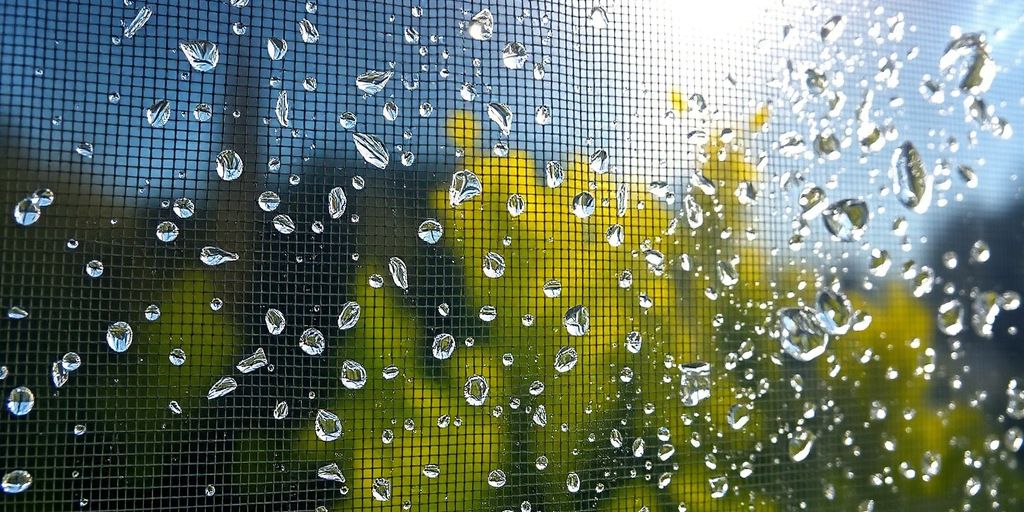
Keeping your window screens clean is a surprisingly simple task that can make a big difference in how your home looks and feels. Over time, these screens collect a lot of dust, pollen, and who knows what else. If you’re wondering about the best tools for cleaning window screens effectively, you’ve come to the right place. We’ll go over some common household items and a few specific tools that will get your screens looking clear again.
Key Takeaways
- Regular cleaning of window screens prevents dust and allergens from affecting your home’s air quality.
- A vacuum cleaner with a soft brush attachment is great for removing loose dirt and debris.
- A gentle cleaning solution, like dish soap and water or a vinegar mix, works well for washing screens.
- Always use low water pressure when rinsing screens with a hose to avoid damage.
- Allow screens to air dry completely before putting them back in place to prevent mold or mildew.
Vacuum Cleaner With Brush Attachment
Before you even think about washing your window screens, it’s a good idea to give them a quick once-over with a vacuum cleaner. Seriously, this step makes a huge difference. You’ll want to use the brush attachment for this. It’s perfect for gently lifting away loose dust, pollen, and any little bits of debris that have settled into the mesh.
Think of it like dusting a delicate piece of furniture – you don’t want to just blast it with air. The brush attachment helps agitate the surface just enough to loosen things up so the vacuum can suck them right out.
This initial pass is super helpful because it prevents you from just pushing dirt around when you get to the washing stage. It’s a simple step, but it really sets you up for cleaner screens with less scrubbing later on. It’s a great way to prepare for summer, and you can find more tips on getting your home ready here.
Here’s a quick rundown:
- Attach the brush tool to your vacuum cleaner.
- Gently move the brush attachment over the entire surface of the screen, working in one direction.
- Pay extra attention to corners and edges where dust tends to accumulate.
- Empty your vacuum cleaner’s dustbin afterward, as screens can hold a surprising amount of gunk.
Soft Bristle Brush
Sometimes, the most effective tools are the simplest ones. A soft bristle brush is fantastic for gently dislodging dust and cobwebs from your window screens without causing any damage. Think of it as a gentle dusting for your screens.
When you’re cleaning, you want to make sure you’re not pushing the dirt deeper into the screen material. A brush with softer bristles, like those made from nylon or natural fibers, is perfect for this. It can get into the mesh and lift away loose debris.
Here’s a quick rundown on how to use it:
- Start with a dry brush to get rid of loose dust and any stray bug bits. Work from the top down.
- For more stubborn dirt, you can dampen the bristles slightly. Don’t soak the screen, though!
- After brushing, you might want to follow up with a damp microfiber cloth to catch any remaining dust.
This simple tool can make a big difference in how clean your screens look. It’s especially good for those delicate screens that you don’t want to scrub too hard. You can find brushes specifically designed for window screens, or even a soft-bristled paintbrush can work in a pinch. Just make sure it’s clean before you start! It’s a good idea to have a dedicated brush for this task, so you don’t accidentally transfer paint or other gunk onto your screens. You can find good options for a window screen cleaner that includes a brush.
Remember, the goal is to lift the dirt away, not to grind it into the screen. Gentle, consistent strokes are key.
Microfiber Cloths
Why Microfiber Cloths are Your Screen’s Best Friend
When it comes to tackling dusty or grimy window screens, microfiber cloths are a real game-changer. Unlike old cotton rags that can leave behind annoying lint, these cloths are designed to grab and hold onto dirt and dust without spreading it around. They’re super absorbent and great for buffing away moisture after you’ve washed the screens.
Here’s why they’re so effective:
- Lint-Free Cleaning: Their fine fibers trap particles, meaning no fuzzy residue is left behind on your screens.
- High Absorbency: They soak up water and cleaning solutions quickly, making the drying process faster.
- Gentle Yet Effective: They clean thoroughly without scratching or damaging the delicate screen material.
Microfiber cloths are fantastic for a variety of cleaning tasks around the house, not just screens. Their ability to clean effectively with just water or minimal cleaning solutions makes them an eco-friendly choice too.
For best results, use a clean microfiber cloth to wipe down the screens after washing them with your chosen cleaning solution. You can even use a dry one to give them a final polish. If you’re looking for a good set, check out these highly absorbent microfiber cloths that work well on many surfaces.
Garden Hose
A garden hose is a fantastic tool for giving your window screens a good rinse, especially if you’re cleaning them outdoors. It’s a pretty straightforward process, really. You just want to make sure you’re not blasting them with too much pressure, as that can actually damage the delicate mesh. Think of it more like a gentle shower for your screens.
Here’s a quick rundown of how to use it:
- Prep the area: If your screens are still attached, you might want to lay down an old towel or tarp below the window to catch any drips.
- Rinse away loose debris: Start by giving the screen a good spray with the hose to knock off any loose dirt, dust, or cobwebs. This makes the next step easier.
- Apply cleaning solution (optional): If you’re using a soapy water solution, you can spray that onto the screen and gently scrub with a soft brush. Then, use the hose to rinse it all away.
- Thorough rinse: Make sure to rinse the entire screen thoroughly to get rid of all the soap residue. You don’t want any streaks left behind.
- Let them dry: Allow the screens to air dry completely before putting them back in place. This usually doesn’t take too long on a sunny day.
Using a garden hose is a really effective way to get your screens clean without a lot of fuss. It’s one of those simple tools that makes a big difference. For more on outdoor cleaning, you can check out tips on washing outdoor windows.
Remember, the key is a gentle but thorough rinse. You’re aiming to wash away the dirt, not to blast it into the screen fibers.
Lint Roller
For a quick touch-up or when you don’t want to remove your screens, a lint roller is surprisingly handy. It’s great for grabbing loose stuff like dust bunnies, pet hair, and even those little bits of pollen that seem to cling to everything. It’s a simple way to keep your screens looking decent between more thorough cleanings. If you have really tall or large screens, like on a patio door, you can even pop a lint roller refill onto a paint roller handle to get better reach. It makes the job a bit less of a stretch.
- Dust and Debris Removal: Picks up loose particles effectively.
- Quick Touch-Ups: Ideal for light cleaning without much fuss.
- Extended Reach: Use with a paint roller for higher screens.
Remember, a lint roller is best for surface-level dust and hair. It won’t tackle caked-on grime or sticky residue, but for a fast clean, it does the trick.
If you’re looking for tools that can handle more than just dust, check out this window screen cleaning brush.
Bucket
When you’re tackling those window screens, having a good bucket is pretty important. It’s not just about holding water; it’s about having a stable place to mix your cleaning solution and dip your tools. A sturdy, rectangular bucket, maybe around 6 gallons, is usually a good bet. This size gives you enough room to easily fit your scrubber or sponge without making a mess. You don’t want something too small that you’re constantly refilling or sloshing water everywhere. Think of it as your cleaning command center for the job.
Here’s why a decent bucket makes a difference:
- Holds your cleaning solution: Whether it’s soapy water or a vinegar mix, the bucket keeps it contained.
- Dipping station: Easily rinse and reload your brush or cloth.
- Rinsing tool: You can even use it to rinse off dirt before a deeper clean.
- Transport: Makes moving your supplies from one window to another much simpler.
Choosing the right bucket might seem minor, but it really helps streamline the whole process. It keeps your workspace tidy and your tools ready to go.
It’s a simple item, but having the right kind of bucket can make cleaning window screens feel a lot less like a chore. It’s one of those things that just makes the job easier, kind of like having the right cleaning supplies for any task.
Dish Soap
Dish soap is a real workhorse when it comes to tackling grime on your window screens. It’s surprisingly effective at cutting through that sticky film of pollen, dust, and whatever else the wind decides to throw at your windows. A little bit of dish soap mixed with warm water can make a big difference. It’s gentle enough not to damage the delicate mesh of your screens, but strong enough to lift away the dirt that makes them look dingy.
Here’s a simple way to use it:
- Mix it up: Grab a bucket and fill it with warm water. Add a few drops of your favorite dish soap. You don’t need a ton; just enough to get some suds going.
- Gentle scrubbing: Dip a soft brush or a sponge into the soapy water. Gently scrub the screen, working in one direction if possible. Try not to scrub too hard, as you don’t want to push the dirt deeper into the mesh or damage the screen itself.
- Rinse well: Once you’ve scrubbed the whole screen, rinse it thoroughly with a hose on a low setting or even just a gentle stream of water from a bucket. Make sure all the soap residue is gone, otherwise, it might attract more dirt later.
Using dish soap is a straightforward and budget-friendly way to get your screens looking clear again. It’s a classic for a reason!
It’s important to use a soap that doesn’t have any harsh additives or moisturizers, as these can sometimes leave a film on the screen. Just your basic, everyday dish soap should do the trick perfectly.
Vinegar Solution
Sometimes, you need something a little stronger than just soap and water, and that’s where a vinegar solution comes in handy. It’s a fantastic natural cleaner that can cut through grime and leave your screens looking fresh. Plus, it’s pretty budget-friendly!
What You’ll Need
- White vinegar
- Warm water
- A bucket or spray bottle
- A soft cloth or sponge
How to Make It
The general rule of thumb is a 1:1 ratio of white vinegar to warm water. So, if you’re using a quart of water, use a quart of vinegar. For a gentler approach, especially if you’re worried about the vinegar being too strong or if you’re using a spray bottle that you want to last, you can try a 1:2 ratio (one part vinegar to two parts water).
Using the Vinegar Solution
- Mix your solution in a bucket or spray bottle.
- If you removed your screens, lay them flat on an old towel or on the ground (protecting the ground if needed).
- Dip your soft cloth or sponge into the solution and gently wipe down the screen. Work in sections, making sure to get into all the nooks and crannies.
- For tougher spots, you might need to let the solution sit for a minute or two before gently scrubbing.
- Once you’ve cleaned the entire screen, rinse it thoroughly with plain water. A garden hose on a gentle setting works well for this.
- Let the screens air dry completely before putting them back up. You can also gently pat them dry with an old towel, but be careful not to snag the mesh.
Vinegar is a mild acid, so while it’s great for cleaning, it’s a good idea to rinse your screens well afterward to make sure no residue is left behind. This also helps protect the screen material over time.
Newspaper
You know, sometimes the simplest things are the best, and that’s definitely true for cleaning with newspaper. It might sound a little old-school, but newspaper is actually a fantastic tool for getting a streak-free shine on your window screens after you’ve washed them. The ink used in most newspapers is soy-based, which means it’s less likely to smudge or leave marks behind. Plus, it’s super absorbent, so it really helps to dry things off without leaving fuzz like some other cloths can.
Just be sure to do a quick test first! Grab a page with a lot of ink, like a headline, and hold it against your fingers for a minute. If any ink transfers to your skin, it’s best to skip that newspaper for cleaning, as it might leave marks on your screens.
Here’s how you can use it:
- After washing your screens and rinsing them well, gently pat them with an old towel to get rid of most of the water.
- Crumple up a few sheets of newspaper.
- Use the crumpled newspaper to gently wipe down the screens. You’re basically buffing away any remaining moisture.
- Work in a consistent direction, like top to bottom, to avoid missing spots.
It’s a pretty straightforward method, and honestly, it works surprisingly well for that final polish. You’ll be surprised at how clear your screens look afterward!
Old Towel
Old towels are surprisingly handy when you’re tackling those window screens. They’re great for giving the screens a final wipe-down after you’ve washed them, especially to catch any drips or lingering moisture.
Think of them as your go-to for drying off the frames or even giving the glass a quick buff if you’re out of microfiber cloths. They’re absorbent enough to do a decent job without leaving too much lint behind, which is always a plus. Just make sure they’re clean before you start, so you don’t end up transferring more dirt onto your freshly cleaned screens. It’s a simple, readily available item that can really help finish the job right.
- Use them to dry the screen frames after washing.
- They can also be used to gently wipe down the glass if needed.
- A good old towel is perfect for soaking up any excess water that might drip.
Sometimes, you might find yourself needing to clean your windows too, and a good vinegar and water solution works wonders for that. You can find a recipe easily enough.
Keep Those Screens Clean!
So there you have it! Cleaning your window screens doesn’t have to be a big chore. With a few simple tools like a soft brush, a vacuum with an attachment, and some soapy water, you can make a big difference. Keeping them clean not only makes your windows look better but also helps with the air quality inside your home. Give it a try – you’ll be surprised how much clearer your view becomes. Happy cleaning!
Frequently Asked Questions
How often should I clean my window screens?
You should give your window screens a good cleaning at least twice a year, maybe in the spring and fall. If you live somewhere with lots of dust or rain, you might want to wipe them down more often to keep them looking good and working well.
What tools do I need to clean my window screens?
To get your window screens really clean, you’ll want a few things: a vacuum cleaner with a soft brush attachment, a brush with gentle bristles, a cleaning mix made from dish soap and water, and a soft cloth, like microfiber, for wiping.
Can I clean my window screens without removing them?
Yep, you can totally clean your window screens without taking them down! A lint roller works wonders for dust, and a vacuum with a brush can get rid of more stubborn dirt. You can also use a spray bottle with a gentle cleaning solution.
What should I do if my window screens are damaged?
If your window screens have rips or holes, it’s usually best to get a professional to fix or replace them. If the screen’s frame is badly damaged, you might need a pro for that too.
How does cleaning my window screens improve my home’s air quality?
Cleaning your window screens helps get rid of dust and tiny particles that can float around in your house. This means less stuff to breathe in, which can make the air inside your home cleaner and healthier.
Is it better to clean screens while they’re on the window or off?
For a deep clean, it’s best to take the screens out. This way, you can wash both sides thoroughly and avoid getting dirt inside your house. If you’re cleaning more than one, label them so you know exactly where they go back!