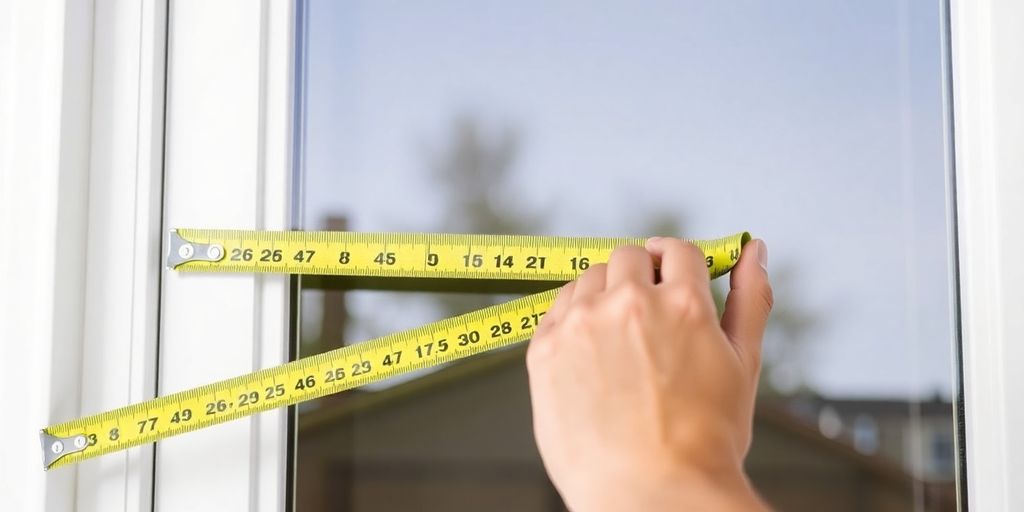
Picking out new windows for your place can feel like a big decision. It’s not just about how they look, but also about how they’ll work for your home over time. You’ve got a bunch of different materials to pick from for the frames, and each one has its own good and bad points. We’re going to break down the most common ones to help you figure out the best window material for what you need.
Key Takeaways
- When choosing window frames, popular materials include vinyl, aluminum, wood, fiberglass, and composite. Each offers a different mix of cost, durability, and maintenance.
- Vinyl is often a top choice because it’s affordable, energy-efficient, and easy to care for, though it might not be the strongest option.
- Wood offers a classic look and good insulation but requires more upkeep and can be pricier.
- Fiberglass and composite materials are known for being very durable and low-maintenance, often providing good energy efficiency too, though they can cost more upfront.
- The best window material for your home depends on your local climate, how much you want to spend, and how much time you have for maintenance.
Exploring Popular Window Frame Materials
Picking out new windows for your place can feel like a big decision, and honestly, it is! The frame material you choose plays a pretty huge role in how your windows look, how well they keep your home comfy, and even how much you’ll spend on energy bills. Let’s take a look at some of the most common options you’ll see out there.
Vinyl: The Popular All-Rounder
Vinyl is super popular for a reason. It’s usually the most budget-friendly choice, which is always a plus. Plus, these frames are pretty good at keeping your home insulated, meaning less money spent on heating and cooling. They don’t need much fuss, either – no painting or staining required unless you really want to. You can find them in tons of colors and styles, so matching them to your home’s look is usually pretty straightforward. They’re also known for being decent at blocking out noise from outside.
Aluminum: Sleek and Strong
Aluminum frames are known for being lightweight but still really sturdy. They’re a good choice if you want something that looks a bit more modern and minimalist. They don’t require a lot of upkeep, which is nice. However, aluminum isn’t the best at keeping heat in or out, so it might not be the top pick if you live somewhere with really extreme temperatures. It can also corrode over time, especially if you’re in a damp or rainy area.
Wood: Timeless Elegance
When you think of classic beauty, wood frames often come to mind. They can give your home a really warm and inviting feel, and they’re fantastic insulators, helping to keep your home quiet and comfortable. Wood frames can be a bit of an investment, though, and they do need more attention. You’ll need to keep an eye on them to protect against moisture, insects, or even fire damage, which means regular upkeep like painting or sealing. They can also be pricier than other options.
Choosing the right frame material is like picking the right outfit for the weather – you want something that looks good but also does the job of keeping you comfortable and protected.
Durable and Low-Maintenance Choices
When you’re looking for windows that can handle the elements and don’t require constant upkeep, a few materials really stand out. These options are designed for longevity and ease, meaning less time spent on maintenance and more time enjoying your home.
Fiberglass: Built to Last
Fiberglass is a really strong contender if you want something that’s going to hold up for a long time. It’s made by combining glass fibers with a plastic resin, which makes it super tough. This material doesn’t expand or contract much with temperature changes, so it’s great for places with extreme weather, whether it’s scorching heat or freezing cold. Plus, it’s resistant to moisture and rot, which is a big plus. Fiberglass windows are also known for being energy efficient and can be found in a good range of colors and finishes, even mimicking the look of wood. It’s a premium choice that offers excellent performance and durability.
Composite: The Best of Both Worlds
Composite frames are an interesting option because they’re made from a mix of materials, often including recycled wood fibers and plastics. This blend gives you some of the aesthetic appeal of wood, like its natural look and feel, but with much less maintenance. They’re generally quite energy efficient and resist common issues like rot and insect damage. Because they’re engineered, they offer a good balance of strength and insulation, making them a solid choice for many homes. You can often find composite windows that look very similar to real wood, but without the constant need for painting or sealing.
Wood-Clad: Protection Meets Beauty
Wood-clad windows offer a way to get the classic look of wood on the inside of your home while having a more protective exterior. The inside is typically solid wood, giving you that warm, traditional feel. The outside, however, is covered with a layer of vinyl or aluminum. This outer shell acts as a shield, protecting the wood from weather, moisture, and pests. It significantly cuts down on the maintenance needed compared to all-wood windows, meaning you won’t have to worry as much about painting or sealing. This combination gives you the best of both worlds: the beauty of wood and the durability of a protective exterior, making them a great option for long-lasting window solutions.
Here’s a quick look at what makes these materials great:
- Fiberglass: Excellent thermal performance, resistant to warping and moisture, available in many colors.
- Composite: Mimics wood appearance, low maintenance, good insulation, made from recycled materials.
- Wood-Clad: Beautiful wood interior, protected exterior, reduced maintenance compared to solid wood.
Choosing between these durable and low-maintenance options often comes down to your specific climate and how much you’re willing to invest upfront for long-term savings on upkeep.
Making the Best Window Material Choice for Your Home
Picking the right window frames for your house can feel like a big decision, and honestly, it is! It’s not just about how they look, though that’s important too. You’ve got to think about what will work best for your specific situation. Let’s break down some of the key things to consider so you can make a choice you’ll be happy with for years to come.
Considering Your Local Climate
Where you live really matters when it comes to windows. If you’re in a place with really hot summers or freezing winters, you’ll want frames that can handle that. Some materials, like vinyl or fiberglass, are great insulators and can help keep your home comfortable without making your heating and cooling systems work overtime. On the other hand, if you’re somewhere with a lot of rain or humidity, you’ll want to avoid materials that might warp or corrode easily. Think about how the weather affects your current windows – that’s a good clue for what to look for next.
Balancing Budget and Performance
Let’s talk money. Some window frame materials are definitely cheaper upfront, like vinyl. They offer a good balance of cost and performance, which is why they’re so popular. Wood, while beautiful, usually costs more to start with and might need more upkeep. Fiberglass and composite materials can be in the middle or even higher, but they often pay off in the long run with better energy efficiency and durability. It’s a bit of a trade-off: do you want to spend less now, or invest a bit more for potential savings and fewer headaches later?
Assessing Maintenance Needs
How much time do you want to spend on your windows? If you’re looking for something that’s pretty much ‘set it and forget it,’ vinyl or fiberglass are usually good bets. They don’t need painting or staining and clean up easily. Wood looks amazing, but it can require regular sealing, painting, or staining to protect it from the elements, and it can be susceptible to rot or insects if not cared for. Wood-clad windows offer a compromise, giving you the look of wood with a protective outer layer that cuts down on maintenance. Think about your lifestyle and how much upkeep you’re willing to do.
Understanding the Benefits of Each Material
When you’re picking out new windows, the frame material is a big deal. It’s not just about how they look, but also how well they work and how much upkeep they’ll need. Let’s break down what makes each material stand out.
Energy Efficiency Comparison
Different frame materials handle heat and cold differently. Vinyl and fiberglass are generally top performers, keeping your home warmer in winter and cooler in summer. Wood can also be a good insulator, but its effectiveness can depend on the type of wood and how well it’s maintained. Aluminum, on the other hand, is a conductor, meaning it can transfer heat more easily, which might not be ideal in extreme climates. A window’s overall energy performance is a combination of the frame and the glass, so always check the Energy Star ratings.
Durability and Longevity
How long will your windows last? That’s where durability comes in. Fiberglass is known for being incredibly strong and resistant to expansion and contraction, making it a really long-lasting option. Composite materials, often made from wood fibers and resins, also offer good durability and resist rot and insects. Wood frames can last for ages too, but they require more attention to prevent moisture damage and decay. Vinyl is pretty durable for everyday use, but it can become brittle in very cold temperatures or warp with extreme heat over many years.
Aesthetic Appeal and Customization
This is where personal style really comes into play. Wood frames offer a classic, natural beauty that many people love, and they can be painted or stained to match any decor. Vinyl comes in a wide range of colors and styles, offering a lot of flexibility without the need for painting. Aluminum has a sleek, modern look that works well with contemporary home designs. Composite materials can often mimic the look of real wood and can also be painted or stained, giving you a good balance of appearance and low maintenance. Fiberglass windows can also be painted, offering a great deal of design freedom.
Choosing the right frame material means thinking about what matters most to you – whether that’s saving money on energy bills, having windows that last a lifetime, or getting that perfect look for your home. It’s a balance, for sure.
Here’s a quick look at how they stack up:
- Vinyl: Great all-rounder, good energy efficiency, low maintenance, lots of color options.
- Aluminum: Strong, sleek, low maintenance, but not the best insulator.
- Wood: Beautiful, natural look, good insulator, but needs regular upkeep.
- Fiberglass: Very durable, excellent energy efficiency, can be painted, but usually costs more upfront. You can find out more about fiberglass window benefits.
- Composite: Mimics wood, good durability, energy efficient, and low maintenance.
- Wood-Clad: Wood interior for looks, protected exterior (often vinyl or aluminum) for durability and low maintenance.
Key Factors for Selecting Your Window Frames
Picking out new windows can feel like a big decision, and honestly, the frames are a huge part of that. They’re not just there to hold the glass, you know? They really impact how your windows look, how well they work, and how much upkeep they’ll need over time. So, let’s chat about some of the key things to think about before you commit to a material.
Return on Investment Insights
When you’re investing in new windows, it’s smart to think about what you’ll get back down the road. Some materials just hold their value better or contribute more to your home’s overall appeal and energy savings. For instance, vinyl and wood windows have historically shown a pretty good return on investment, meaning the cost of upgrading can be recouped through increased home value and lower energy bills. It’s not just about the initial price tag; it’s about the long-term benefits.
Understanding Window Warranties
Don’t just glance at the warranty – really read it! A “lifetime” warranty can mean different things to different companies. You’ll want to know exactly how long the warranty lasts, what it covers (like cracks, fading, or seal failure), and what you need to do to keep it valid. A solid warranty from a reputable manufacturer is a good sign they stand behind their product, giving you peace of mind.
Matching Frames to Your Home’s Style
This is where personal taste really comes into play. Think about the overall look of your house. Are you going for a modern vibe, a classic feel, or something in between? Different frame materials offer distinct aesthetics. Wood, for example, brings a natural warmth that’s hard to beat, while aluminum can offer a sleek, minimalist look. Consider how the frame material and color will complement your home’s architecture and your personal style. You can explore different window options to get a feel for what works best for your home’s aesthetic.
Here are a few things to keep in mind:
- Durability: How well will the frame hold up against your local weather?
- Maintenance: How much time are you willing to spend cleaning and caring for the frames?
- Energy Efficiency: Will the frame help keep your home comfortable and your energy bills down?
Choosing the right window frame is a balancing act. You’re weighing upfront costs against long-term performance, maintenance needs against your available time, and aesthetic desires against practical considerations like climate. Taking the time to understand these factors will lead to a much more satisfying outcome.
So, What’s the Verdict?
Alright, we’ve looked at a bunch of different window frame materials, from the super popular vinyl to classic wood and even some of the newer composite options. It’s clear there’s no single ‘best’ choice for everyone. Think about your own house, your budget, and how much time you want to spend on upkeep. If you’re looking for something easy and affordable, vinyl is a solid pick. Want that timeless look and don’t mind a bit of upkeep? Wood might be your jam. And if you want a good balance of durability and looks, fiberglass or composite could be the way to go. Ultimately, picking the right window frames is all about matching them to what works best for your home and your life. Happy window shopping!
Frequently Asked Questions
What exactly is a window frame?
Window frames are the sturdy borders that hold the glass in place. They’re super important because they affect how your window looks, how well it keeps your home warm or cool, and how much it costs.
What are the main types of window frames available?
The most common choices are vinyl, aluminum, wood, fiberglass, and composite. Each has its own good and bad points, like how much they cost, how long they last, and if they need a lot of care.
Why is vinyl such a popular choice for window frames?
Vinyl is often a top pick because it’s affordable, energy-efficient, and doesn’t need much upkeep. You don’t have to paint it, and it comes in lots of colors and styles. It’s also good at blocking out noise.
What’s special about wood window frames?
Wood frames offer a classic, beautiful look that can make your home feel cozy. They’re also great at blocking sound and keeping your home at a comfortable temperature. However, they can be pricey and need regular cleaning and sealing to prevent rot or damage from bugs and weather.
What should I think about when choosing a window frame material?
When picking frames, think about your local weather – is it super hot, cold, or rainy? Also, consider how much time you have for cleaning and maintenance. Your budget is important too, and you’ll want frames that match your home’s style.
Does the window frame material affect my home’s energy efficiency?
Yes, the material matters a lot for how well your windows save energy. Materials like vinyl, fiberglass, and wood are generally better at keeping heat in during winter and out during summer, which can lower your energy bills. Aluminum, while strong, isn’t as good at insulating.